Anger can be difficult to understand, particularly when it feels out of character. You might find yourself becoming irritated over things that would not usually bother you, reacting strongly to criticism, or getting into arguments that you later regret. Perhaps you feel an intense need to defend yourself, even when the other person does not appear to be attacking you. You might find yourself pushing people away when what you really want is to feel close to them.
Sometimes, the strength of the reaction can be confusing. You know that the situation does not seem to warrant such an intense response, yet you struggle to stop it once it begins.
For some people, these experiences are connected to earlier trauma. When we have lived through situations in which we felt frightened, controlled, trapped or powerless, our nervous system can become particularly sensitive to anything that resembles those experiences. Anger may emerge years later, in circumstances that are very different from the ones in which we first felt unable to protect ourselves.
Understanding this possibility can help us make sense of reactions that otherwise seem difficult to explain. It can also help us find ways to respond differently, without dismissing the anger or overlooking the experiences that may lie beneath it.
Understanding The Fight Response
When we perceive a threat, our nervous system prepares us to respond. This is an automatic process, involving changes in our physiology that help us deal with danger. Our heart rate may increase, our muscles may tense, our breathing may change and our attention may narrow towards whatever feels threatening.
The familiar terms fight, flight and freeze describe some of the ways our bodies can respond when we feel under threat. Fighting may involve confronting a threat or attempting to regain control. Flight prepares us to escape, while freezing can involve becoming still, feeling unable to act or struggling to respond at all.
These are not conscious choices in the way that we might choose how to handle a disagreement. They are protective responses involving the brain and body.
In an unsafe situation, fighting back may not be possible. A child who is frightened of an adult they depend on, for example, may have little choice but to remain quiet or comply. Someone experiencing abuse may know that resisting could put them in greater danger. In other circumstances, a person may learn that expressing anger leads to punishment, rejection or further conflict.
The response that offers the best chance of getting through the situation may be to stay quiet, keep the peace, become less visible or do whatever is necessary to avoid making things worse.
These adaptations can be important forms of protection at the time. The difficulty is that the patterns developed in response to an earlier threat can continue to influence how we react long after the circumstances have changed.
When The Past Influences The Present
Trauma does not affect everyone in the same way. Some people experience intrusive memories, nightmares or obvious reminders of what happened. Others may have little conscious connection between their current difficulties and their past experiences.
They may simply notice that certain situations provoke a reaction they struggle to control.
Being criticised might bring an immediate sense of being attacked. A partner disagreeing with them may feel like an attempt to dominate them. Being ignored, interrupted or told what to do might provoke an intensity of anger that seems disproportionate to the immediate situation.
These moments can carry a meaning that goes beyond what is happening in front of us. For someone who has previously felt powerless, being told what to do may touch on an earlier experience of having no say. For someone whose boundaries were repeatedly ignored, a relatively small intrusion may feel like another instance of being denied control over their own life.
The present situation may be upsetting in its own right. At the same time, it may activate feelings and protective responses associated with earlier experiences.
This is one reason that understanding the circumstances surrounding a reaction can be so important. Looking only at what happened immediately before the anger may not explain why the response was so intense.
The work is to understand the relationship between the present and the past, while recognising that the two are not necessarily the same.
Why Anger Can Emerge Years Later
It may seem strange to experience intense anger now if you were unable to express it at the time of the original experience. You may even wonder why you are struggling when you have already put the past behind you.
There is no single explanation for why anger emerges at a particular point in life. However, for some people, the circumstances that once made resistance feel impossible have changed. They may now have more independence, more resources or a greater ability to challenge what feels wrong.
A person who learned to comply as a child may become increasingly assertive in adulthood. That can be an important development. Yet, if their nervous system continues to respond to certain situations as though they are under threat, the shift towards standing up for themselves can sometimes feel overwhelming.
Instead of being able to recognise a boundary, communicate it and consider the other person’s response, they may find themselves moving quickly into confrontation. A disagreement becomes a battle. A difference of opinion feels like a threat to their autonomy. Anger rises before they have had time to work out what is happening.
Others may have spent years suppressing their feelings, keeping relationships stable by accommodating other people or avoiding conflict. When that strategy becomes harder to maintain, anger can become more noticeable. Feelings that were previously pushed aside may begin to surface, sometimes in ways that surprise the person experiencing them.
None of this means that anger is always evidence of unresolved trauma. Anger is a normal human emotion and can be a reasonable response to mistreatment, injustice or a genuine breach of boundaries. Changes in mood and irritability can also have many other causes. The important question is whether there is a pattern worth understanding, particularly when the intensity of the response is causing distress or affecting relationships.
What Happens In The Nervous System?
Research into trauma has helped develop our understanding of how experiences of threat can influence the brain and body.
In The Body Keeps the Score, psychiatrist and trauma researcher Bessel van der Kolk explores the ways traumatic experiences can affect emotional regulation, memory, bodily sensations and our sense of safety. His work has helped bring greater attention to the fact that trauma is not simply a memory of something that happened. For some people, its effects continue to shape how they experience the world and respond to situations in the present.
Dr Stephen Porges’ Polyvagal Theory offers another perspective on the relationship between the autonomic nervous system, perceived safety and our capacity to engage with other people. Polyvagal-informed approaches consider how our physiological state can influence whether we feel able to connect, communicate and respond flexibly, or whether we become defensive, mobilised or withdrawn.
When a person feels safe enough, they may be able to pause during a disagreement, listen to another point of view and express their own feelings without becoming overwhelmed. When their threat response is strongly activated, those same skills can become much harder to access.
This helps explain why someone may understand, intellectually, that they are not in the same situation they once faced, yet still experience a powerful physical and emotional reaction. The body can respond to cues associated with past danger before the person has consciously worked out why they feel threatened.
Polyvagal Theory is one framework used to explore these responses, rather than a complete explanation for every experience of trauma or anger. What matters clinically is understanding how each individual experiences threat, what happens in their body and how their responses affect their life.
Recognising When Anger Is Protecting Something
Anger can serve different purposes. Sometimes it helps us recognise that something is wrong or that a boundary has been crossed. At other times, it may appear so quickly and intensely that it becomes difficult to understand what prompted it.
You might notice that you become angry when someone questions your decisions, even if they are trying to help. Perhaps you find it almost impossible to admit that you are hurt, so the feeling comes out as irritation or hostility. You may feel compelled to win an argument because backing down feels like losing control. Or you might end a relationship at the first sign of conflict because remaining in it feels too risky.
These patterns can become distressing, particularly when they conflict with what you want from your relationships. You may care deeply about someone and still find yourself responding to them in ways that create distance. Afterwards, you might feel ashamed, confused or frustrated with yourself.
It can be tempting to conclude that you are simply an angry person, or that you have a problem with your temper. Sometimes anger management support is appropriate. However, if the reactions are connected to earlier experiences of threat, it may also be helpful to understand what is happening beneath the anger.
A useful starting point is to notice what tends to happen just before the reaction. Is there a particular feeling of being dismissed, cornered, controlled or misunderstood? Do you notice tension in your body, a sudden rush of energy or an urgent need to defend yourself? What does the situation seem to mean to you in that moment?
These questions are not about finding an excuse for behaviour that hurts other people. They are about developing a clearer understanding of the response, so that it becomes possible to take responsibility for it and work towards change.
Understanding Anger Without Excusing Harm
Recognising a possible connection between trauma and anger does not remove the impact that anger can have on other people. Shouting, intimidation, aggression and repeated conflict can damage relationships, whatever their underlying cause. Other people still have a right to feel safe, and it is important to take responsibility for our actions.
At the same time, shame and self-criticism do not necessarily help us understand or change a pattern. If every episode of anger ends with the conclusion that we are a bad person, we may become more focused on condemning ourselves than understanding what needs to change.
A more useful approach involves holding two things together: our reactions may have developed for understandable reasons, and we can still learn to respond differently.
This may involve learning to recognise the early signs of activation, developing ways to pause before responding and finding language for feelings that have previously been difficult to express. It may also involve exploring earlier experiences in a therapeutic setting, particularly if attempts to manage the anger through willpower alone have not been enough.
For some people, talking about their experiences is an important part of this process. For others, it is also helpful to work with the physical sensations and responses associated with feeling threatened. Trauma-informed approaches can support people to develop a greater awareness of their internal states, build a sense of safety and gradually increase their capacity to remain present when difficult feelings arise.
This work needs to happen at a pace that feels manageable. Revisiting painful experiences before a person has enough support and stability can be overwhelming. Effective trauma treatment takes account of the individual, their circumstances and what they are ready to explore.
The aim is not to eliminate anger. It is to understand it, recognise when it is helping us respond to something happening now, and develop more choice when an old sense of danger is influencing the present.
Finding A Different Way Forward
If you have spent much of your life feeling unable to speak up, protect your boundaries or challenge the people around you, discovering anger in adulthood can be unsettling. You may worry that you are becoming someone you do not recognise. You may also be dealing with the consequences of reactions that feel difficult to control.
It is possible to understand these patterns without defining yourself by them. Earlier experiences can influence how we respond to the world, but they do not have to determine every future interaction.
Sometimes, the starting point is to become curious about what happens when anger takes over. What feels threatened? What are you trying to protect? Is the situation asking for a response to something happening now, or does it carry the weight of an earlier experience as well?
These questions can open up possibilities that self-criticism alone cannot provide.
At Khiron Clinics, we understand that difficulties with anger can have complex causes and that no single approach is right for everyone. Where earlier trauma may be contributing to these responses, our clinicians can help explore the relationship between past experiences, the nervous system and present-day difficulties.
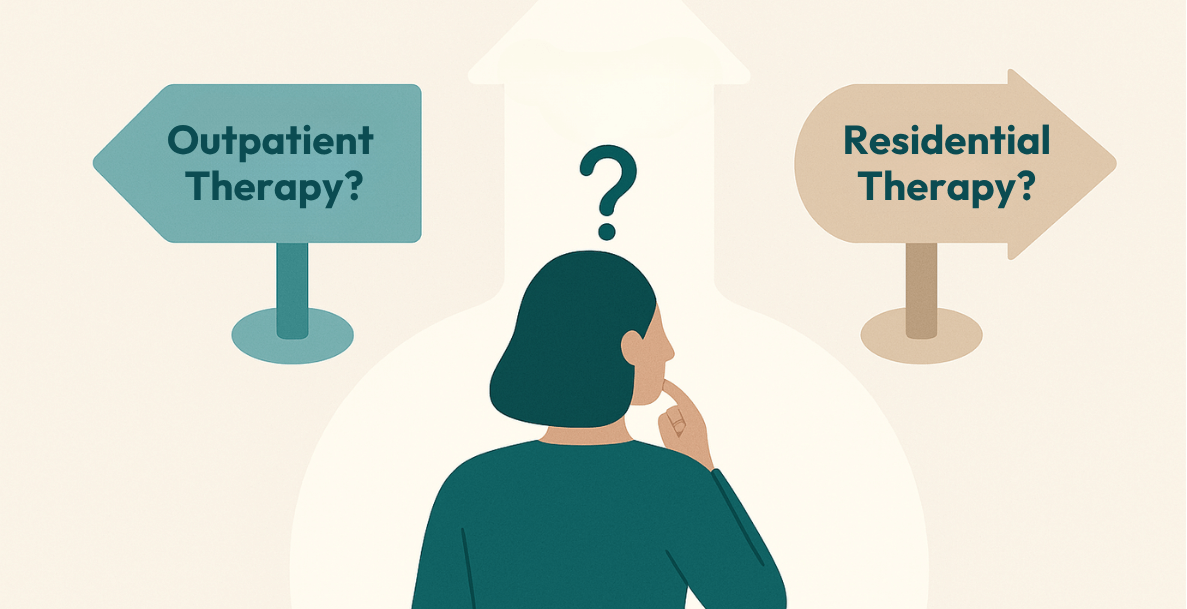
Khiron Clinics offers tailored trauma treatment through residential and outpatient services, drawing on a range of therapeutic approaches, including Polyvagal-informed work and body-based therapies. Treatment is shaped around each person’s needs, experiences and circumstances, with attention to emotional and physical responses as well as the thoughts and behaviours that may be affecting daily life and relationships.
The aim is to help people understand what is happening, work safely with the experiences that may be contributing to their difficulties, and develop more flexible ways of responding to the world around them.
You may not have been able to fight back when you needed to. Understanding how that experience affects you now can be an important step towards feeling safer, having more choice in how you respond, and building relationships in which you can protect your boundaries without having to remain on guard.