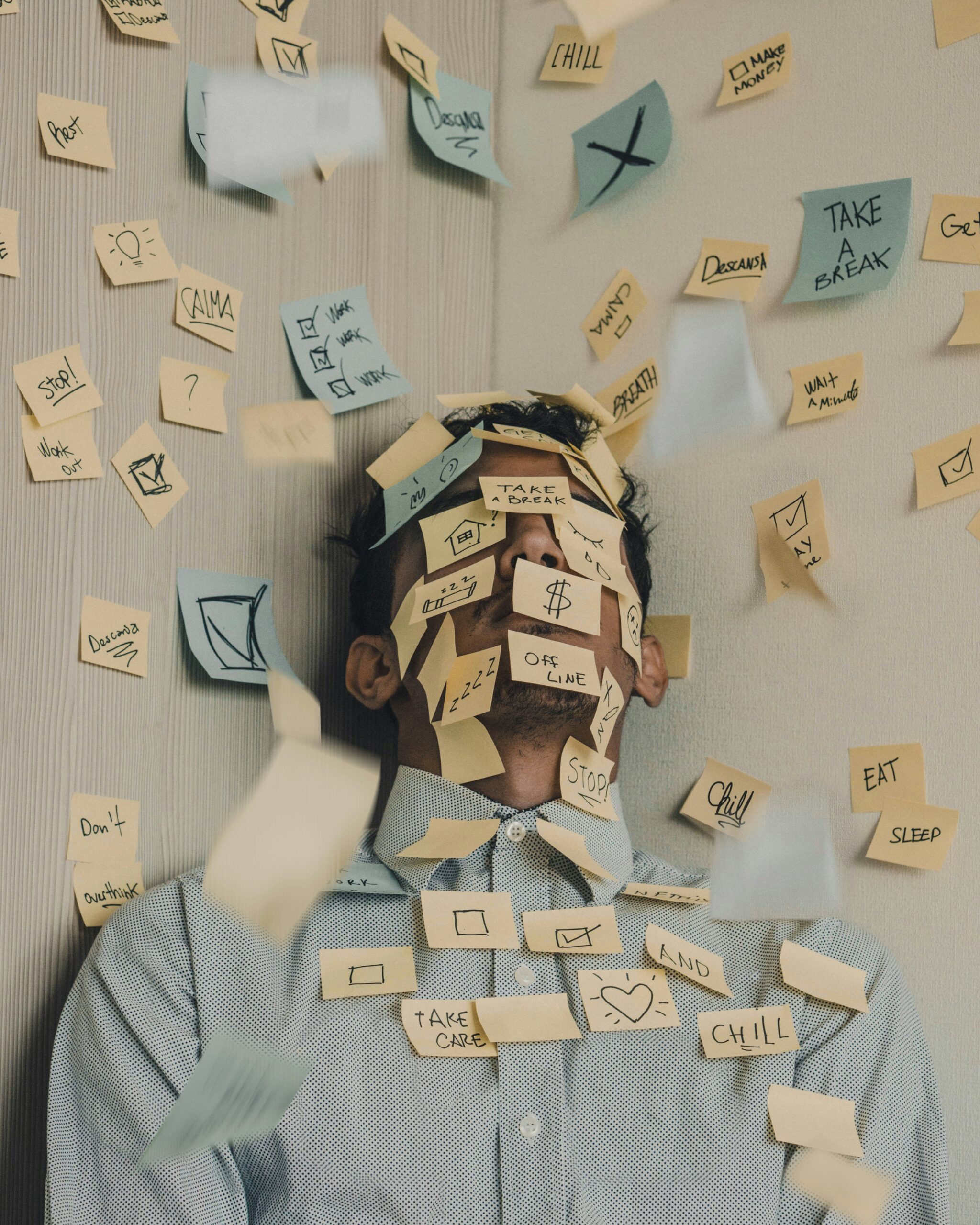

Many people describe themselves as “stressed,” but stress and distress are not actually the same thing. Stress is a natural part of being human. In small or temporary doses, it can help us adapt, stay motivated, and respond to life’s demands. Distress, however, occurs when stress becomes prolonged or overwhelming enough that our usual coping strategies stop working.
Understanding the difference matters because chronic stress can gradually shift into distress without us fully realising it. This is often the point where mental health, physical wellbeing, relationships, and daily functioning begin to suffer. Recognising when stress is still manageable and when it has moved into something more serious can help people seek support earlier and respond with greater self-compassion.
What Is Stress?
Stress is the body and mind’s response to change, pressure, or demand. This can include difficult experiences such as financial pressure, work deadlines, or conflict, but also positive experiences such as starting a new relationship, moving house, or preparing for a major life event.
Not all stress is harmful. Psychologists sometimes use the term “eustress” to describe positive stress that motivates us or helps us perform. Feeling nervous before a presentation, energised before a sporting event, or excited ahead of a wedding are all examples of stress responses that can support growth and performance.
Stress becomes more difficult when it is too intense, too frequent, or lasts for too long without enough recovery. At this stage, the nervous system remains activated for extended periods, making it harder for the body and mind to return to balance.
Importantly, stress itself is not a mental health diagnosis. It is a physiological and psychological state of arousal that can often improve through rest, boundaries, support, and nervous system regulation.
How Stress Feels in the Body and Mind
Stress is not just “feeling tense.” It is a whole-body experience that affects our thoughts, emotions, behaviour, and physical health.
Physically, stress may show up as:
- Faster heartbeat or shallow breathing
- Muscle tension in the shoulders, jaw, neck, or back
- Headaches or digestive discomfort
- Difficulty sleeping or waking feeling unrefreshed
- Feeling “tired but wired”
- Fatigue despite little physical exertion
Mentally and emotionally, stress can involve:
- Racing thoughts or overthinking
- Difficulty concentrating
- Irritability or impatience
- Feeling emotionally reactive or overwhelmed
- Worrying excessively about the future
Stress can also influence behaviour. People may become more withdrawn, rely more heavily on caffeine or alcohol, comfort-eat, smoke more, or avoid social plans as ways to cope or self-soothe.
These reactions are common and understandable. They are not signs of weakness or failure, but signs that the nervous system is carrying more activation than it can comfortably manage.
What Is Distress?
Distress occurs when stress tips into overwhelm and the nervous system struggles to cope effectively. Unlike manageable stress, distress often feels relentless, consuming, or emotionally uncontainable.
Psychologically, distress is often described as a state where a person cannot adapt effectively to what they are experiencing. This may lead to emotional shutdown, avoidance, withdrawal, panic, or behaviours that feel difficult to control.
Distress can arise from one major life event such as bereavement, job loss, illness, or relationship breakdown. However, it can also emerge through the gradual accumulation of smaller stressors, especially when combined with past trauma, chronic adversity, neglect, or emotionally unsafe environments.
Importantly, distress is not a personality flaw or evidence that someone is “broken.” It is often a survival response from a nervous system that has become overloaded and stuck in protection mode.
How Distress Feels in the Body and Mind
Distress often feels more intense and persistent than ordinary stress. Many people describe it as feeling trapped inside their own nervous system.
Physical symptoms may include:
- Ongoing headaches or chronic muscle tension
- Chest tightness or heart palpitations
- Digestive problems that persist despite rest
- Severe sleep disruption or insomnia
- Frequent illness or flare-ups of existing health conditions
- Extreme fatigue or emotional exhaustion
Emotionally and cognitively, distress may involve:
- Feeling hopeless, numb, tearful, or constantly “on edge”
- Panic attacks or emotional flooding
- Difficulty making decisions or concentrating
- Feeling mentally blank, frozen, or detached
- Increased anger, irritability, or emotional volatility
Behaviourally, distress can lead to:
- Pulling away from relationships
- Avoiding responsibilities or daily tasks
- Increased substance use or self-destructive coping strategies
- Losing interest in activities that once brought pleasure
Even when the original stressor has passed, the nervous system may continue responding as though danger is still present.
The Difference Between Stress and Distress
Regulation vs Overwhelm
With stress, the nervous system is activated, but there is still some capacity to regulate. A person may feel pressured or anxious, but they can still think clearly, problem-solve, and eventually return to baseline.
Distress feels different. The nervous system becomes dysregulated and stuck in survival responses such as panic, shutdown, emotional flooding, or numbness. Everyday tasks can begin to feel unmanageable.
A regulated state allows someone to experience emotion while still functioning. An overwhelmed state can make even simple decisions or interactions feel impossible.
Temporary vs Persistent
Stress is often linked to a specific event or period of pressure and tends to improve once circumstances change or recovery occurs.
Distress is usually more persistent. The nervous system may remain activated for weeks or months, even after external situations improve. This is especially common in people with histories of trauma, chronic stress, or repeated adversity.
When feelings of overwhelm become constant or difficult to “switch off,” it may be a sign that stress has shifted into distress.
Functional vs Impairing
People under stress can often continue functioning, even if it feels effortful. They may still manage work, parenting, responsibilities, and relationships.
Distress begins to impair daily life. Someone may struggle to complete tasks, withdraw socially, lose motivation, miss work, or feel emotionally and physically incapacitated.
Stress can feel draining. Distress can make life feel unmanageable.
Nervous System Flexibility vs Rigidity
A healthy nervous system is flexible. It can move between alertness, calm, connection, and rest depending on what is needed.
Under distress, the nervous system becomes more rigid. Some people remain stuck in hypervigilance, anxiety, anger, or constant alertness. Others move into shutdown, numbness, dissociation, or exhaustion.
Trauma and prolonged stress can make the nervous system highly sensitive, meaning even small triggers begin to feel overwhelming.
When Stress Becomes Distress
The shift from stress to distress is usually gradual rather than sudden. Often, it happens when stress accumulates faster than the body can recover.
Work pressure, financial worries, relationship difficulties, poor sleep, loneliness, or caregiving responsibilities may build over time until the nervous system reaches overload. Past trauma can also make the system more reactive, meaning situations that seem manageable to others feel deeply threatening internally.
Distress can be surprisingly subtle at first. Someone may continue working and functioning outwardly while privately feeling emotionally detached, constantly anxious, exhausted, or close to breaking point.
Am I Stressed or in Distress?
A helpful question is not “What is wrong with me?” but “How long has my nervous system been carrying this?”
You might be experiencing stress if:
- You still feel able to recover after difficult moments
- Symptoms improve with rest or support
- You can still function, even if things feel challenging
You may be moving into distress if:
- Feelings of overwhelm persist for weeks or months
- You feel emotionally stuck or unable to calm down
- Daily functioning, relationships, sleep, or self-care are significantly affected
- You feel numb, hopeless, or disconnected much of the time
This is not about self-diagnosis. It is about noticing when your nervous system may need more support than self-management alone can provide.
How to Cope With Stress and Distress
For manageable stress, nervous system regulation can make a meaningful difference. This might include:
- Slow breathing or grounding exercises
- Gentle movement such as walking, stretching, or yoga
- Better sleep routines and reduced screen time
- Setting boundaries around work and commitments
- Spending time with supportive people
When distress is present, self-care remains important, but it is often not enough on its own.
Distress usually requires support, co-regulation, and nervous system repair. Talking openly with trusted people, accessing therapy, or receiving trauma-informed support can help the body move out of chronic survival states.
Healing is not about “trying harder to relax.” It is about helping the nervous system feel safe enough to regain flexibility and balance.
When to Seek Professional Support
It may be time to seek professional help if:
- Feelings of hopelessness, numbness, or overwhelm persist
- Anxiety, panic, or low mood are worsening
- Sleep, work, relationships, or physical health are significantly affected
- You are struggling to care for yourself or cope day-to-day
- You are experiencing thoughts of self-harm or suicide
Professional support can include therapy, counselling, trauma-informed treatment, or psychiatric input, depending on your needs and circumstances.
Reaching out for support can feel like a big step, but it is often the moment where things begin to shift. At Khiron Clinics, we see help-seeking not as a last resort, but as a meaningful point of reconnection with yourself and with others.
Support might involve therapy, counselling, trauma-informed approaches, or psychiatric input, depending on what you need as an individual. There is no single pathway, because no two nervous systems are the same.
What we have learned over years of clinical work is that people are not simply “thinking their way” through distress or trauma. While understanding and talking can be important, deeper change often involves working with what the nervous system has learned over time.
Most importantly, if you are struggling, it is not because you have failed. It is often because your system has been carrying more than it was ever meant to hold alone.
Frequently Asked Questions
Is distress the same as anxiety?
Not exactly. Anxiety is often a specific emotional state, whereas distress is broader and refers to a more general sense of overwhelm where emotional, physical, and cognitive coping feels stretched or reduced. Anxiety can be one part of distress, but distress often affects the whole system.
What are three warning signs of emotional distress?
Common signs include ongoing exhaustion that does not improve with rest, feeling emotionally overwhelmed or on edge for extended periods, and difficulty concentrating or making decisions. Changes in sleep, appetite, and withdrawal from usual activities can also appear.
Why do I feel stressed even when nothing is wrong?
This can happen when the nervous system remains activated even without an immediate external stressor. Past experiences, chronic pressure, or accumulated stress can keep the body in a heightened state, meaning it continues to anticipate threat even when things appear calm.
Can trauma make small stress feel overwhelming?
Yes. When someone has experienced trauma, the nervous system can become more sensitive to perceived threat. Everyday situations may then feel much bigger internally than they appear externally, because the body is reacting based on past learning rather than only present circumstances.