Trauma and neurodivergence are often discussed as separate emotional experiences, but they frequently overlap in ways that can deeply impact a person’s mental health and well-being. For neurodivergent individuals, whether autistic, ADHD, or otherwise, the world can feel overwhelming, confusing, or even hostile (Mate, 2023).
Understanding the relationship between neurodivergence and trauma is essential for creating environments that foster genuine healing. Both require sensitivity, flexibility, and trauma-informed care that honours each person’s unique way of processing the world. In this blog, we’ll explore how trauma affects neurodivergent individuals, why mainstream treatment isn’t always enough, and how tailored, trauma-informed care can support meaningful recovery.
What Is Neurodiversity and Neurodivergence
Neurodiversity is the idea that neurological differences, like autism, ADHD, dyslexia, dyspraxia, and others, are natural variations of the human brain, not deficits or disorders to be “fixed.” It challenges the notion that there is one “right” or “normal” way to think, learn, or behave, helping promote understanding and support for neurodiverse populations.
Think of it like biodiversity, just as we value a wide range of life forms in nature, neurodiversity values a wide range of human minds, recognising the health and emotional importance of these differences. It doesn’t ignore the challenges that can come with certain neurodivergent experiences, but it frames them in a more accepting, strengths-based mental health context.
Neurodivergence refers to individuals whose brains function differently from what is considered “neurotypical” (or the average/expected way). It’s an umbrella term that describes a range of neurological differences that affect things like attention, learning, communication, sensory processing, emotional regulation, and social interaction.
People who are neurodivergent might have diagnoses such as:
- Autism
- ADHD
- Dyslexia
- Dyspraxia
- Tourette’s Syndrome
- OCD
Whether these diagnoses are present or not, tailored trauma-informed care that understands and affirms coping mechanisms rather than devaluing or even demonising them creates a therapeutic environment that better supports recovery for those with ‘divergent’ ways of coping with, experiencing and life.
Neurodivergence and Trauma: A Hot Topic
Neurodivergence in general and ADHD and Autism in particular are popular and debated topics at the moment. There are (unproven) schools of thought that suggest ADHD has no genetic cause and is rooted purely in early childhood emotional experiences of chronic stress or trauma. There is also evidence to suggest there is a genetic element, which is backed up by high co-occurrences of ADHD and Autism Spectrum Disorder (ASD). Regardless of the specifics of what causes ADHD and Autism, we know that neurodivergent individuals experience heightened sensitivity to environmental stimuli, be it noise, touch, emotion, or social dynamics. This sensitivity, when unsupported or misunderstood, can lead to chronic overwhelm, burnout, or shutdown, which people learn to cope with in a wide range of ways (Scheydt et al., 2017).
A similar level of scepticism and controversy surrounds the diagnosis of the above disorders. Many argue the word ‘disorder’ should be removed from ADHD, and others warn of overdiagnosis, or more concerningly a reliance on diagnosis and medication as a means of treatment. While medication is a life-changing and even life-saving option for some, it has side effects, and risks missing the ways that therapy, small lifestyle adaptations and nervous system regulation can have.
Unfortunately, many neurodivergent individuals also experienced trauma as a result of being repeatedly misunderstood, invalidated, or punished for behaviours outside the neurotypical norm. This could include being shamed for emotional outbursts, disciplined for struggling to sit still, or excluded socially due to difficulties with communication (Zablotsky et al., 2014)
Over time, these experiences can compound into what’s often referred to as cumulative or developmental trauma, a slow layering of distress that fundamentally alters how safe someone feels in their body and in the world.
The Link Between Neurodivergence and Trauma
Neurodivergence does not cause trauma, but living in a world that is not designed for neurodivergent nervous systems often does. From an early age, many neurodivergent people are exposed to chronic stressors such as sensory overload, social misunderstanding, inconsistent expectations, and repeated experiences of being told they are “too much,” “not enough,” or simply wrong.
Over time, these ongoing mismatches between a person’s needs and their environment can activate the stress response again and again. Rather than a single overwhelming event, trauma for neurodivergent individuals is often relational, cumulative, and developmental, emerging through years of invalidation, masking, pressure to conform, or lack of appropriate support. This can shape how safe someone feels in their body, in relationships, and in the wider world.
Importantly, many trauma responses in neurodivergent people are misinterpreted as core traits of their neurodivergence, rather than understood as adaptive survival strategies developed in response to chronic stress.
Common Signs of Trauma in Neurodivergent Individuals
Trauma can present differently in neurodivergent individuals and is often overlooked or misunderstood. Signs may include:
Heightened sensory sensitivity or sudden increases in overwhelm
Emotional shutdown, dissociation, or difficulty accessing feelings
Intense anxiety around transitions, uncertainty, or perceived demands
People-pleasing, masking, or fear of making mistakes
Chronic exhaustion, burnout, or loss of previously manageable skills
Strong reactions to criticism, rejection, or conflict
Difficulty trusting others or feeling safe in relationships
These responses are not flaws or failures, they are the nervous system’s attempts to protect itself. Without a trauma-informed and neurodiversity-affirming lens, these signs are often labelled as “behavioural problems” or “non-compliance,” which can further compound trauma rather than support healing.
Why Traditional Treatment Isn’t Always Enough
Traditional mental health models often take a “behaviour-first” approach, focusing on reducing symptoms or enforcing compliance. For neurodivergent individuals, this can feel not only invalidating but retraumatising. Therapies that aim to “fix” traits like stimming, intense interests, or emotional dysregulation often miss the mark entirely.
Similarly, settings that rely heavily on cognitive strategies (like CBT) without accounting for sensory needs, processing differences, or nervous system regulation can leave neurodivergent clients feeling overwhelmed or misunderstood. Add to this the common over-reliance on medication as a primary treatment path, and it’s easy to see why many neurodivergent people struggle to find care that truly supports them.
Medication can be an important tool, but it’s not a complete solution. Without addressing how trauma, sensory overload, and unmet needs are embedded in the nervous system, long-term healing often remains out of reach.
What Is Neurodiversity-Affirming, Trauma-Informed Care?
Neurodiversity-affirming care recognises that the goal of therapy is not to make someone appear more “neurotypical,” but to support them in living a meaningful, regulated, and self-directed life, on their terms. When this care is also trauma-informed, it brings an added layer of understanding around how safety, regulation, and connection must be restored for healing to take place.
Some key elements include:
- Sensory Awareness – Respecting and adapting to clients’ sensory sensitivities (e.g. lighting, sound, touch) to create a space that feels safe and supportive.
- Communication Flexibility – Using visual aids, written communication, or allowing longer processing time depending on each person’s needs.
- Relational Safety – Building trust gradually and consistently. Many neurodivergent individuals have experienced ruptures in trust with authority figures; therapy must acknowledge and repair this, not replicate it.
- Regulation Over Suppression – Encouraging stimming, movement, breaks, and other self-regulating behaviours rather than seeing them as distractions or problems.
- Psychoeducation and Collaboration – Involving clients in understanding their nervous system and empowering them to co-create strategies for managing stress, overwhelm, and emotional intensity.
- Practical Tools and Routines – Supporting clients in building systems that work for their brain, not against it, like sensory diets, structured environments, or transitions that reduce anxiety.
Khiron Clinics: Trauma-Informed, Neurodiversity-Affirming Healing
At Khiron Clinics, we specialise in trauma-focused care that is integrative, compassionate, and inclusive. Our approach is grounded in the belief that no two brains, and no two trauma experiences, are the same. That’s why we work with each individual to co-create a therapeutic path that honours their neurobiology, their story, and their needs.
We incorporate cutting-edge therapies like Somatic Experiencing, Internal Family Systems, EMDR, and Polyvagal-informed techniques, all of which support nervous system regulation at a deep, embodied level. Importantly, our team is trained to support neurodivergent individuals in a way that doesn’t pathologise or override their experiences, but listens, adapts, and responds with empathy.
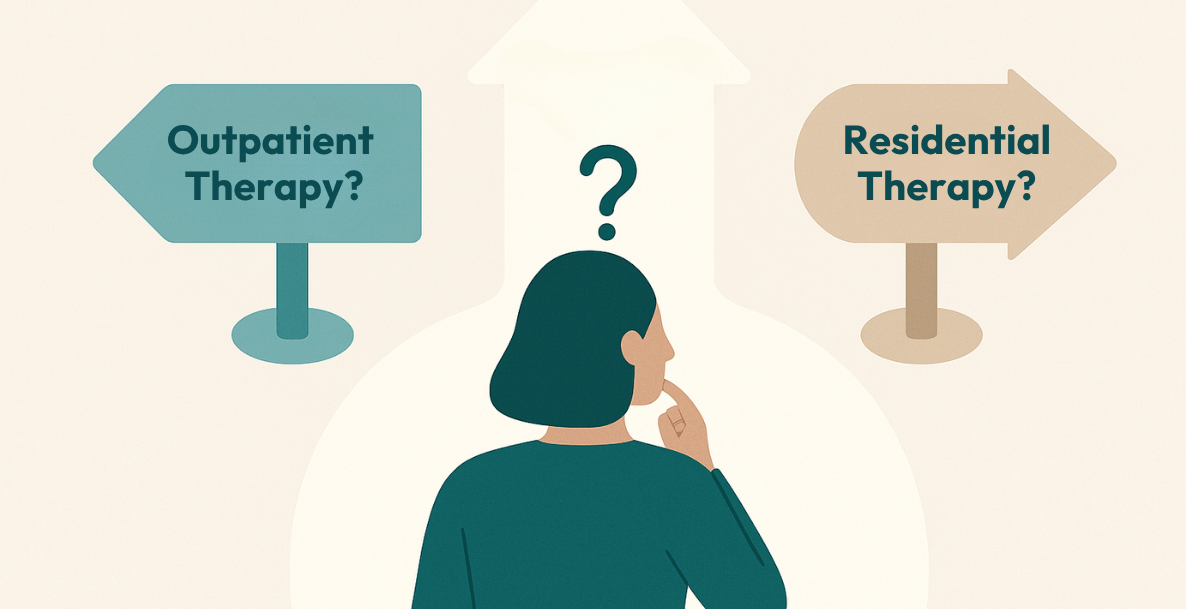
Whether in our residential programme or outpatient care, clients are offered safety, predictability, and respect for how they process the world. We know that healing doesn’t happen through pressure or performance, but through connection, regulation, and genuine empowerment.
FAQs
Is trauma neurodivergent?
No. Trauma itself is not a form of neurodivergence. Neurodivergence refers to natural variations in how the brain is structured and functions (such as autism or ADHD), whereas trauma describes the nervous system’s response to overwhelming or unsafe experiences.
That said, trauma can significantly shape how the brain and nervous system function over time. Because trauma responses can affect attention, emotional regulation, sensory sensitivity, and relationships, they are sometimes mistaken for neurodivergence, or layered on top of it.
Am I neurodivergent or traumatised?
For many people, the answer is both, and it’s not always possible or helpful to separate the two cleanly. Neurodivergent individuals are more likely to experience chronic stress, misunderstanding, and invalidation, which can increase vulnerability to trauma.
Rather than focusing solely on labels, effective care looks at how your nervous system responds to the world, what feels overwhelming or unsafe, and what helps you feel regulated, connected, and supported.
Can trauma cause neurodivergence?
Current evidence suggests that neurodivergence (such as autism or ADHD) has a strong genetic and neurodevelopmental basis, meaning trauma does not cause neurodivergence.
However, trauma can influence brain development, behaviour, and emotional regulation, sometimes in ways that resemble neurodivergent traits. Trauma can also intensify existing neurodivergent sensitivities, making challenges more visible or harder to manage without support.
How does trauma affect neurodivergent people differently?
Neurodivergent nervous systems often process sensory, emotional, and relational information more intensely. This can mean that traumatic experiences, especially ongoing or relational trauma, are felt more deeply and may take longer to resolve.
Trauma in neurodivergent individuals is also more likely to be misunderstood or missed entirely, as responses such as shutdown, meltdowns, avoidance, or rigidity are often seen as behavioural issues rather than signs of distress. Without appropriate support, this misunderstanding can itself become retraumatising.
What kind of therapy helps with both neurodivergence and trauma?
The most effective approach is neurodiversity-affirming, trauma-informed therapy that prioritises nervous system regulation, safety, and collaboration over behaviour change or symptom suppression.
Therapies that are often helpful include somatic and body-based approaches (such as Somatic Experiencing), Internal Family Systems (IFS), and polyvagal-informed therapy.
Is your therapy suitable for neurodiverse adults with developmental or sensory challenges?
Yes. At Khiron Clinics, therapy is tailored to each individual’s neurobiology and lived experience. We actively adapt our environments, communication styles, and therapeutic approaches to support sensory sensitivities, processing differences, and developmental needs.
Our clinicians are trained to work in ways that do not pathologise neurodivergence or push clients to mask or perform. Instead, we focus on creating safety, predictability, and flexibility, so healing can happen at a pace and in a form that genuinely supports each person.
References
Maté, G. (2023) The myth of normal. Random House UK.
https://drgabormate.com/book/the-myth-of-normal/
Levine, P.A. and Frederick, A. (1997) Waking the tiger healing trauma: The innate capacity to transform overwhelming experiences Peter A. Levine Aut; Ann Frederick Aut. Berkeley, Calif: North Atlantic Books.
https://www.somaticexperiencing.com/se-books
van der Kolk, B. and Pratt, S. (2021) The body keeps the score bessel van der kolk. S.I.: Penguin Random House Audio Publishing Group.
https://www.besselvanderkolk.com/resources/the-body-keeps-the-score
Scheydt, S., Müller Staub, M., Frauenfelder, F., Nielsen, G. H., Behrens, J., & Needham, I. (2017). Sensory overload: A concept analysis. International journal of mental health nursing, 26(2), 110–120.
https://pubmed.ncbi.nlm.nih.gov/28185369/
https://adhdaware.org.uk/what-is-adhd/neurodiversity-and-other-conditions/
Zablotsky, B., Bradshaw, C. P., Anderson, C. M., & Law, P. (2014). Risk factors for bullying among children with autism spectrum disorders. Autism : the international journal of research and practice, 18(4), 419–427.