

Trauma Treatment for Burnout & Chronic Stress
Specialist Burnout and Trauma Treatment Designed to Work Alongside Employment
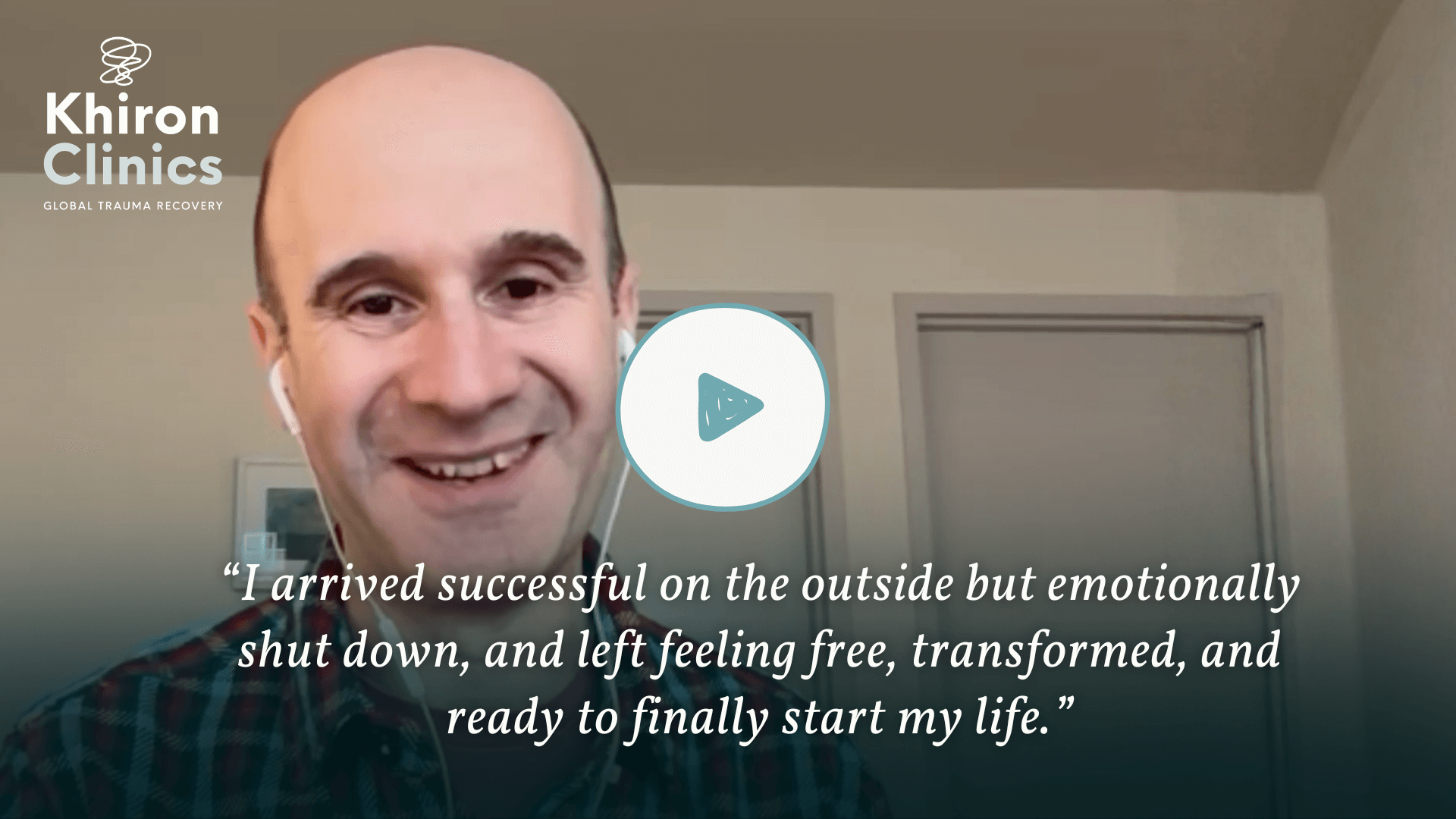
Our London Day Clinic and Online Day Clinic provide intensive trauma treatment for burnout and chronic stress without requiring employees to step away from work entirely. Suitable for individuals seeking support, as well as HR, Occupational Health, and wellbeing teams exploring funding options.
“One of the world's leading residential trauma-treatment centres."

Who Is This Treatment For?
Experiencing burnout, chronic stress, emotional exhaustion, or shutdown
Struggling to recover despite rest, time off, or traditional weekly therapy, including experiences of therapy burnout
Functioning well outwardly but privately close to breaking point
- High performers experiencing job burnout who feel unable or unwilling to step away from work
- Returning from stress-related absence and needing structured support
- Using alcohol, substances, or compulsive coping to get through the week
It is particularly suited to senior professionals, clinicians, leaders, and employees in high-responsibility roles.
What Our Clients Have to Say
“The trauma focused approach has helped me understand myself better than any formal psychiatric diagnosis or any specialist NHS therapy I've ever received.“ - Victoria
My time at Khiron was life changing. I learned to stop overachieving and trying to prove myself, and became far more in tune with what my nervous system actually needs. The change has been clear to my family, friends, and colleagues, I’m more relaxed, doing much better at work, and able to be a better friend. Khiron gave me my life back, and that is priceless.
Ninette
My experience at Khiron Day Clinic was extraordinary. Although I was unsure at first, it allowed me to finally feel safe and find my breath. The therapists understood exactly what I needed, and I learned practical ways to regulate, reconnect with my body, and feel safe outside the clinic. I now sleep better, feel more curious about life again, and carry a sense of calm and security I didn’t have before. I am deeply grateful for the remarkable changes I feel every day.
Julianna
Doug
About Khiron Clinics
World-Leading Trauma Treatment Center in London

Khiron Clinics is a specialist trauma treatment provider with over 12 years of experience supporting individuals experiencing burnout, chronic stress, and complex trauma. Our approach is internationally recognised and informed, trained, and supervised by many of the clinicians who developed modern trauma therapy.
We specialise in treating the underlying nervous system dysregulation that often drives burnout and many commonly diagnosed mental health difficulties, particularly when traditional therapy has not been effective. Our treatment integrates innovative, evidence-based modalities at the forefront of trauma care, including EMDR, Internal Family Systems (IFS), somatic therapies, and polyvagal theory informed approaches.
Our London Day Clinic offers a safe, discreet setting where these modalities are delivered by leading trauma clinicians from Monday to Thursday in a structured programme combining group and individual therapy. This model has proven highly effective in treating burnout and chronic stress because it addresses root causes, not just symptoms, while equipping clients with practical regulation and coping strategies they can use for life to prevent relapse.
Burnout is Rarely Just About Workload
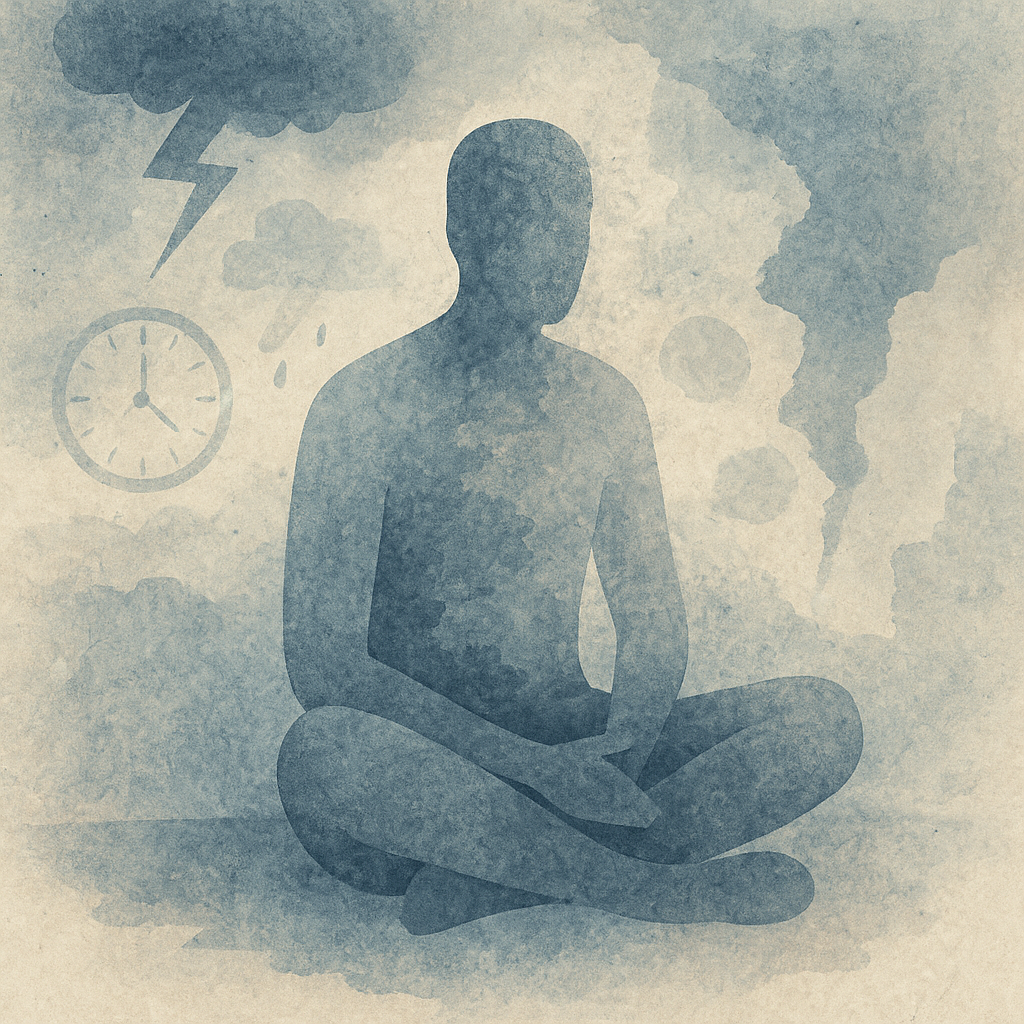
Burnout is often framed as a workload or workplace performance issue, but growing evidence shows that unresolved trauma is a major underlying driver of burnout, chronic stress, and breakdown, particularly in high-pressure roles.
Research suggests that individuals with a trauma history are up to 60% more likely to experience severe burnout. Trauma keeps the nervous system in a prolonged state of survival, even when external demands appear manageable.
Many people do not recognise this as trauma. Instead, they experience exhaustion, anxiety, irritability, emotional numbness, sleep problems, or an inability to recover, and continue working until their capacity collapses.
Why Burnout So Often Affects High Performers
Burnout often affects people who are highly capable, conscientious, and driven.
In our clinical work, we see that traits such as perfectionism, people-pleasing, over-responsibility, and the need to prove oneself are often learned survival responses, developed earlier in life as a way to stay safe or gain approval. When these patterns are rewarded at work, people can appear resilient while their nervous system remains under constant pressure.
This is why rest alone rarely resolves burnout. Without addressing the underlying nervous system patterns, the same behaviours tend to return. It is like cutting back the weeds without pulling out their roots.
Our Burnout Trauma Treatment Options
World-Leading Trauma Treatment Center in London
At Khiron Clinics, we recognise that there is no single right way to recover from trauma or burnout. Some people need to remain at work, others need space away, and many benefit from a combination of approaches over time.
For this reason, we offer a variety of core treatment pathways, all of which can be adapted to the needs, responsibilities, and circumstances of the individual.
The Khiron Day Clinic: London and Online

- Attendance from as little as two days per week, increasing where clinically appropriate
- Depth of treatment comparable to residential care
- Structured, nervous-system-based therapy
- Delivered with the option of remaining at work alongside treatment
A Typical Day Clinic Treatment Day
10:00 – 11:00am | Movement Group/Somatic regulation techniques
11:00 – 11:30am | Integration Break
11:30am – 12:30pm | Process Group
12:30 – 1:30pm | Lunch Break
1:30 – 2:30pm | Psychoeducational Group
2:30 – 3:00pm | Integration Break
3:00 – 4:00pm | Creative group
Alongside group work, clients attend weekly or twice-weekly individual therapy sessions, with therapists highly experienced in burnout and trauma treatment, depending on clinical need.
Residential Treatment

Our Residential Treatment programmes provide immersive, trauma-informed care in a supportive, contained environment.
Residential treatment can be helpful for individuals who need space away from daily pressures to stabilize, understand the roots of their difficulties, and learn practical nervous-system regulation and coping strategies.
Residential stays do not always need to be long-term. For some people, a shorter stay is enough to gain clarity, reduce overwhelm, and create a clear plan for ongoing recovery.
Where appropriate, we can offer flexible arrangements, including shorter residential stays combined with Day Clinic or outpatient support, and in some cases the option to continue working remotely during treatment.
Our aim is always to adapt treatment around the individual, while maintaining clinical safety and effectiveness.
Symptoms of Unresolved Trauma We Commonly See
- Persistent burnout symptoms or exhaustion that do not improve with rest
- Anxiety, hypervigilance, or constant internal pressure
- Emotional numbness, irritability, or withdrawal linked to depression and broader mental health strain
- Difficulty switching off or resting
Perfectionism, people-pleasing, or over-responsibility
Sleep disruption and nervous system dysregulation
Increased reliance on alcohol, substances, or compulsive coping
Loss of clarity, confidence, or capacity at work
Without appropriate treatment and trauma support that addresses the nervous system, these patterns often repeat.

Download the Brochure
Discover Our Innovative Trauma Recovery Pathway
World-leading Burnout Therapy and Trauma Expertise

Khiron Clinics is internationally recognised for trauma-informed, nervous-system-based treatment.
Our staff are informed, trained and supervised by the trauma pioneers who shaped modern trauma therapy, including Dr Bessel Van Der Kolk, Dr Janina Fisher, Dr Stephen Porges, Dr Dick Schwartz, Deb Dana, Licia Sky and Linda Thai.
Khiron Clinics is the world’s first Polyvagal Informed Certified Therapy.
Founded From Lived Experience
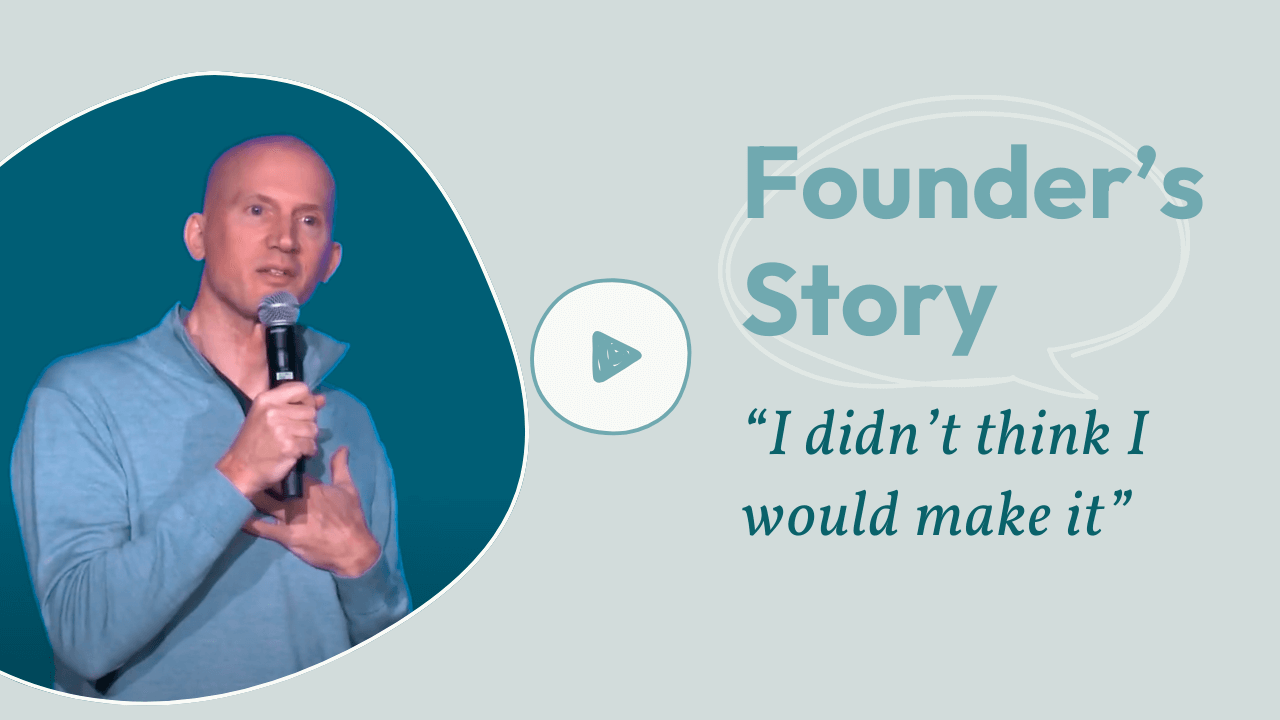
Khiron Clinics was founded by Benjamin Fry, a psychotherapist and entrepreneur who experienced burnout and breakdown himself.
After travelling to the United States to access nervous-system-based trauma treatment that was not available in the UK at the time, he recognised a significant gap in care. Khiron was created to make this level of treatment accessible without requiring people to step away from their lives or work entirely.
Twelve years later, Khiron is recognised internationally as a leader in trauma treatment, with clients travelling from across Europe, the United States, and beyond.
Funding Treatment While Remaining Employed
We regularly support organisations to fund treatment through wellbeing, Occupational Health, rehabilitation, or insurance pathways, while employees remain in work wherever possible.
Our team can support sensitive funding conversations, provide clinical documentation, and help structure treatment around working commitments.
How to Take The Next Step
Whether you are exploring treatment for yourself or funding support for an employee, there are clear and confidential ways to begin.
For Employees
- A clinical assessment
- A written treatment recommendation
- Guidance on whether the Day Clinic, Online Day Clinic, or another pathway is most suitable
- A report that can be shared with an employer or Occupational Health team if funding is being explored
For Organisations Funding Treatment
If you are responsible for employee wellbeing or Occupational Health, you are welcome to contact us directly.
We can arrange a call with our Intake Manager to discuss suitability, treatment structure, and funding pathways, and to support a sensitive and confidential referral process.
All enquiries are handled with care, discretion, and clinical oversight.
Make a Confidential Enquiry
If you are searching for trauma therapy that goes deeper than 1-to-1 sessions but fits around your commitments, Khiron Clinics is here for you.
"*" indicates required fields
FAQs
The most effective therapy for burnout and trauma-related stress is one that addresses both the psychological impact and the underlying nervous system dysregulation that keeps stress responses active.
At Khiron Clinics, treatment focuses on resolving the root causes of stress, not just managing symptoms. Burnout and trauma often stem from a nervous system that has been pushed beyond its capacity for too long, so therapy needs to help the body feel safe again as well as support the mind.
Our approach combines top-down therapies (working with thoughts, emotions, and meaning) and bottom-up somatic therapies (working directly with the body and nervous system). This integrated model helps process stored stress and trauma, restore regulation, and build resilience.
Therapies commonly used for burnout and trauma-related stress include:
Somatic Experiencing (SE), to release stress held in the body
Sensorimotor Psychotherapy (SP), integrating physical and emotional processing
Polyvagal-informed therapy, to restore a sense of safety and regulation
Internal Family Systems (IFS), to heal parts of the self impacted by trauma
Trauma-Informed Stabilization Technique (TIST), for stabilisation and coping
Neurofeedback and Brainspotting, to calm overactive stress responses
Because burnout and trauma affect each person differently, the most effective treatment is usually a personalised, trauma-informed programme that works with both body and mind, helping you move from survival mode back into balance and sustainable wellbeing.