
The arrival of a baby changes everything: your body, your sleep, your relationships and your sense of self. It can be beautiful and meaningful. It can also be exhausting, frightening, and deeply unsettling. Many people find themselves asking quietly, Why does this feel so hard?
Postnatal depression is one way the body and mind respond when the demands of early parenthood overwhelm our capacity to cope. It is not a failure of love, gratitude, or strength. It is a human response to a period of intense change, vulnerability, and pressure, often in a culture that expects parents to “bounce back” quickly and cope silently.
From a trauma-informed point of view, the question is not “What’s wrong with me?” but “What has my nervous system been dealing with?” When we ask that question, shame can soften as we begin to understand and find meaning and acceptance.
How Postnatal Depression Can Feel in Real Life
Postnatal depression doesn’t look the same for everyone. Some people feel persistently low or tearful whilst others can feel numb, detached, or strangely empty. For many, it shows up as anxiety, irritability, or a sense of being constantly on edge. Many mothers describe:
- Feeling overwhelmed or emotionally flat
- Losing confidence and doubting themselves as a parent
- Feeling disconnected from their baby
- Constant worry, dread, or intrusive thoughts
- Anger or frustration that feels unfamiliar or frightening
- Feeling utterly exhausted
- A harsh inner voice saying, “I should be coping better than this”
These experiences can be especially confusing because they often sit alongside moments of love and care. That contradiction can create shame: If I love my baby, then why do I feel like this?
Importantly, postnatal depression can also be shaped by earlier experiences. Birth itself can be traumatic, while previous loss, trauma, neglect, or emotional wounds can be triggered by the intensity of caring for a vulnerable new life. When this happens, old survival patterns can resurface, not because something is wrong, but because the nervous system is trying to protect us.
Understanding Postnatal Depression Through the Nervous System
Trauma researchers like Bessel van der Kolk remind us that trauma is not just something that happens to us; it’s what happens inside us when we feel overwhelmed and unsupported. The body learns to stay on high alert, repeating behavioural patterns rooted in survival even when we consciously want to feel calm or connected.
Stephen Porges’ work on the nervous system helps explain why postnatal depression can feel so unstable. When we feel safe, our nervous system supports connection, curiosity, and emotional balance. When safety feels uncertain, through exhaustion, pain, intense change, loneliness, or fear, the system shifts into survival mode. For some, that looks like anxiety, racing thoughts, and agitation. For others, it looks like shutdown: numbness, withdrawal, or feeling disconnected from everything. Many people move between these states, feeling both on edge and drained.
Seen this way, postnatal depression can beviewed as a nervous system that has been asked to do too much, too quickly, without the support it needs to adjust and adapt, while feeling the safety and stability required to stay within the Window of Tolerance.
Healing in Ways That Honour The Whole Person
Healing from postnatal depression is about restoring safety, connection, and capacity in gradual and gentle ways.
Being supported, not managing alone
“Co-regulation” teaches us that human beings regulate through relationships. Having someone who listens without judgment, who offers practical help, or who simply sits with you in distress can be profoundly regulating. Support is not a luxury but a biological need. For many this person is a friend or loved one, and for others, it might be a therapist.
Trauma-aware therapy
Many people find relief through talking therapies as well as bottom-up somatic approaches, especially when the therapist understands trauma, attachment, and power dynamics. What matters most is not the technique, but whether you feel safe, respected, and met as a whole person rather than a problem to be solved.
Listening to the body
Peter Levine’s work reminds us that healing often happens through the body, not just through words. Regulating practices such as slowing and steadying the breath, vocalisations like humming, feeling your feet on the floor, or a body scan can help signal safety to the nervous system. These seemingly small moments are hugely important in building a practice for increasing our capacity to manage stress.
Softening shame through self-compassion
Shame can keep postnatal depression stuck. Kristin Neff’s research on self-compassion shows that treating ourselves with kindness in moments of struggle supports resilience and emotional regulation. Self-compassion doesn’t mean giving up, but instead refusing to add cruelty to pain.
Reducing pressure, not increasing effort
Sometimes the most healing change is reducing the load, such as fewer expectations, more help, simpler days and allowing permission to rest. Recovery is not about simply trying harder and harder, but about being held more gently, often by yourself.
If at any point someone feels unsafe, overwhelmed by thoughts of harming themselves, or frightened by changes in perception or reality, immediate professional support is vital. Reaching out is an act of care, not weakness.
When to Seek Support
Many people experiencing postnatal depression wonder whether their feelings are “serious enough” to warrant support. At Khiron Clinics, our trauma-informed perspective recognises that distress does not need to reach crisis point before it deserves care.
It may be helpful to seek additional support if:
- Low mood, anxiety, or emotional numbness persists for several weeks
- Distress is making day-to-day functioning feel unmanageable
- You feel increasingly isolated, overwhelmed, or stuck
- Self-critical or hopeless thoughts are becoming louder or more frequent
- You notice yourself withdrawing from support or struggling to ask for help
Immediate support is especially important if you feel unable to keep yourself safe, are experiencing thoughts of harming yourself, or notice changes in perception or reality that feel frightening or unfamiliar. These experiences are signals that more support is needed rather than signs of failure.
Reaching out, whether to a trusted person, a therapist, or another professional, is an act of protection and self-respect. Support can help reduce pressure on the nervous system and create the conditions needed for healing.
A Hopeful Ending: This Is Not a Verdict on Who You Are
Postnatal depression can make life feel narrow and heavy, as though the future has closed in. But this state is not permanent. With support, understanding, and time, many people recover. Some find they develop a deeper relationship with themselves, clearer boundaries, and a stronger sense of what they need to feel well. You are not broken, but your system has simply been responding to real pressure in the best way it knows how. Healing does not require perfection, only safety, support, and compassion. And you do not have to do this alone.
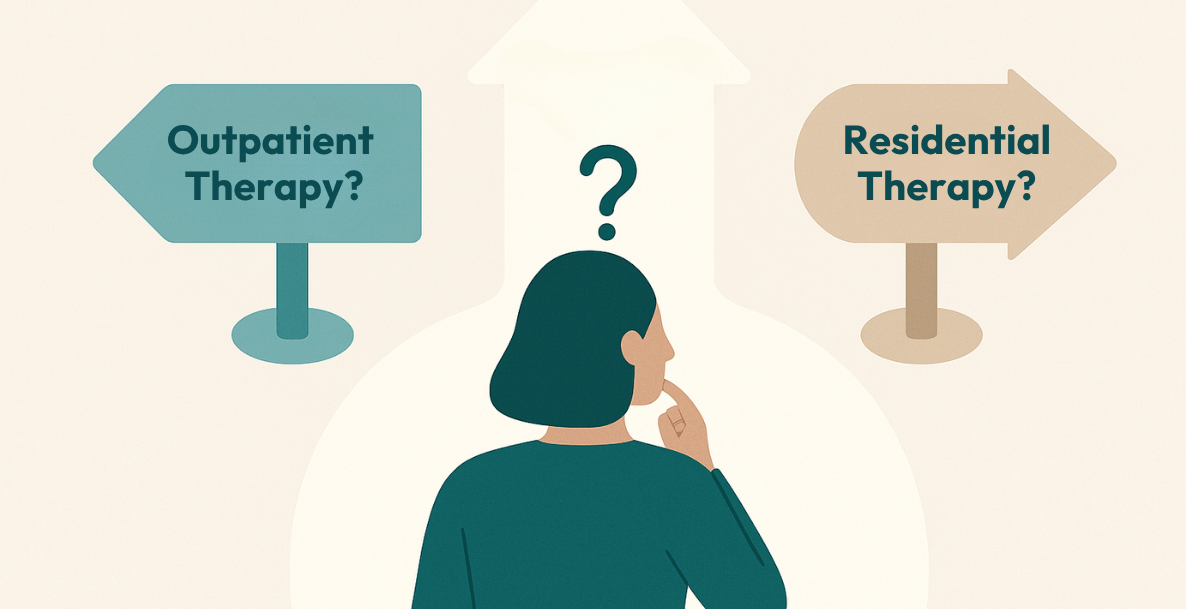
If you have a client or know of someone struggling with anything you have read in this blog, reach out to us at Khiron Clinics. We believe that we can improve therapeutic outcomes and avoid misdiagnosis by providing an effective residential program and outpatient therapies addressing underlying psychological trauma. Allow us to help you find the path to realistic, long-lasting recovery. For more information, call us today. UK: 020 3811 2575 (24 hours). USA: (877) 561 4453 (24 hours).