You promised yourself you wouldn’t shut down again. That this time, when things got tense, you’d stay present. You’d use your words. You’d be different.
And then it happened anyway.
Maybe your chest tightened and suddenly you couldn’t speak. Or you snapped at someone you love over something small. Or you found yourself saying yes when every fiber of your being wanted to say no. And afterward? That familiar wash of shame: What’s wrong with me? Why can’t I just be normal?
Here’s the thing nobody tells you: there’s nothing wrong with you. Those responses that feel like overreactions, drama, or weakness? They’re actually your nervous system doing exactly what it was designed to do – keep you alive.
The problem isn’t you. The problem is that we’ve been taught to see trauma responses as character flaws instead of what they really are: survival strategies that once saved you but now might be holding you back.
This article is going to help you see these patterns differently. Not through some clinical lens that makes you feel like a case study, but through the lens of compassion. Because the path from coping to healing doesn’t start with fixing yourself. It starts with understanding that you were never broken in the first place.
What Is a Trauma Response, Really?
Let’s strip away the jargon for a second.
Trauma isn’t just what happened to you. It’s what’s still happening inside you! Your nervous system is stuck in protection mode, responding to today’s situations with yesterday’s emergency settings.
Think of it like this: your body learned to survive something overwhelming. Maybe it was one terrible event, or maybe it was years of walking on eggshells, never knowing what mood you’d come home to. Your system figured out how to keep you safe in that environment. And it got really, really good at it.
The fight, flight, freeze, and fawn responses aren’t choices you’re making. They’re ancient survival strategies hardwired into your nervous system. When your brain detects danger (real or perceived), it doesn’t pause to ask your permission – it just acts.
- Fight: anger, irritability, the urge to push back or lash out
- Flight: anxiety, restlessness, the need to escape or stay busy
- Freeze: shutting down, going blank, feeling numb or paralyzed
- Fawn: people-pleasing, over-accommodating, losing yourself to keep others happy
If this sounds like you or someone you love, hear this: nothing is “wrong” with you. Your system has been trying to keep you safe. It just doesn’t realize the original danger is over.
Common Coping Patterns That Are Really Survival Strategies
Let’s get specific. Because trauma and shame love to convince you that your coping mechanisms are personal failures when they’re actually proof of your resilience.
Overworking and Perfectionism
How it shows up: You can’t relax. There’s always one more email, one more task, one more standard you’re not quite meeting. Rest feels dangerous. Slowing down feels like inviting disaster.
What it may be protecting against: If you grew up in chaos, busyness might have been the only thing you could control. If love came with conditions, perfection might have been how you earned safety. Hypervigilance and trauma often show up as relentless productivity, your system convinced that dropping the ball means dropping your guard.
This started as a way your body and mind tried to help you survive, even if it’s now causing pain.
Numbing and Shutdown
How it shows up: Endless scrolling. Binge-watching until 3 AM. That flat, disconnected feeling where you’d swear you don’t feel anything at all. You’re going through the motions, but you’re not really there.
What it may be protecting against: When emotions feel too big or sensations too intense, freeze responses kick in. Your system learned that going numb was safer than feeling everything. It’s not laziness. It’s your nervous system saying, “This is too much; let’s power down for a bit.”
This started as a way your body and mind tried to help you survive, even if it’s now causing pain.
People-Pleasing and Fawning
How it shows up: You say yes when you mean no. You apologize for things that aren’t your fault. Conflict feels terrifying, and disappointing someone else feels worse than betraying yourself.
What it may be protecting against: If anger was dangerous in your home, fawning might have been how you stayed safe. If your needs were dismissed or punished, making yourself small might have been your best option. Is my people pleasing a trauma response? Yes, it absolutely can be.
This started as a way your body and mind tried to help you survive, even if it’s now causing pain.
Self-Harm, Addictions, and Risky Behaviors
How they function: These aren’t moral failures. They’re often desperate attempts to manage unbearable feelings or create sensation when you feel completely numb. They’re ways of trying to feel something, or stop feeling everything.
What they may be protecting against: When the emotional pain inside is overwhelming, sometimes physical pain or altered states feel like the only relief. These behaviors can be scary for everyone involved, and they absolutely require professional support. But understanding them through a lens of compassion, not blame, is crucial.
This started as a way your body and mind tried to help you survive, even if it’s now causing pain.

How Shame Keeps These Patterns Stuck
Here’s where things get tricky.
Shame doesn’t say, “You did something bad.” Shame says, “You are bad.” And that distinction changes everything.
When you’re caught in trauma-related shame, you start hiding. You lie, even to your therapist. You double down on the very coping strategies that are hurting you because admitting you need help feels like admitting you’re fundamentally flawed.
Shame shows up in therapy rooms too. Clients are afraid to admit they’re not “getting better” fast enough. Therapists are afraid they’re “doing it wrong” when someone doesn’t heal on the expected timeline.
But here’s the truth: healing from trauma begins when these responses are met with curiosity instead of judgment. When we can say, “Oh, that’s interesting. I wonder what my system is trying to protect me from?” instead of, “What’s wrong with me?”
That shift – from shame to curiosity – is where everything changes.
Moving from Coping to Healing: What This Looks Like in Practice
Let’s be real: you’re not going to read this article and wake up tomorrow with a brand-new nervous system. Trauma recovery doesn’t work like that.
But you can start making small shifts. And small shifts, practiced over time, become big changes.
Naming and Noticing
The first step is simple (though not always easy): start naming what’s happening.
Instead of, “I’m failing again,” try, “Oh, this is my nervous system trying to protect me.”
Practice somatic awareness: notice your heart rate when you’re triggered. Pay attention to your breath. Where are you holding tension in your body? Are your shoulders up by your ears? Is your jaw clenched?
You’re not trying to fix anything yet. You’re just noticing. And noticing, with compassion, is powerful.
Creating Moments of Safety in the Body
How to heal trauma stored in the body starts with small practices that signal safety to your nervous system:
- Feel your feet on the ground
- Look around the room and name five things you can see
- Slow your exhale (longer out-breath than in-breath)
- Place a hand on your heart or belly
- Connect with a supportive person or memory
These aren’t magic fixes. They’re invitations to your nervous system to shift from threat mode to safety mode. And yes, they might feel weird at first. That’s okay. Keep going anyway.
Making New Choices in Tiny Steps
We worked with someone once who would completely shut down during any conflict. Just gone. Blank stare, couldn’t access words, felt nothing. We didn’t start by asking her to process her entire trauma history in the middle of an argument.
We started with her staying present for one extra minute. Just one. Noticing when the shutdown started to happen and taking one slow breath before it took over completely.
That’s it. One minute. One breath.
And you know what? Over time, that one minute became five. Then she could name what was happening: “I’m starting to shut down.” Then she could ask for a break instead of just disappearing.
Every small step is evidence that your system is learning it’s safer now. That’s what healing childhood trauma actually looks like. Not overnight transformation, but gradual rewiring.

How Trauma-Informed Therapy Can Help
If you’re reading this as a clinician, you already know that seeing symptoms as adaptations changes everything. When we approach trauma therapy through this lens, we’re not trying to eliminate symptoms – we’re trying to understand what they’re protecting and create safety for something new to emerge.
What a shame-sensitive, nervous-system-informed therapist focuses on:
- Understanding that behaviors are adaptations, not pathology
- Going at the client’s pace, not the treatment manual’s pace
- Offering choice and collaboration at every step
- Working with the window of tolerance, not pushing past it
Examples of approaches that honor this framework include somatic therapy, EMDR, Internal Family Systems (parts work), and other body-based trauma healing methods that help you process what was too overwhelming to handle at the time.
What Clients Can Expect and Ask For
If you’re looking for support, you have every right to ask questions like:
- “How do you work with trauma responses?”
- “What happens if I dissociate or shut down in session?”
- “How do we make sure this feels safe enough for me?”
A good trauma-informed therapist will welcome these questions. They’ll explain their approach, respect your pace, and never pressure you to share before you’re ready.
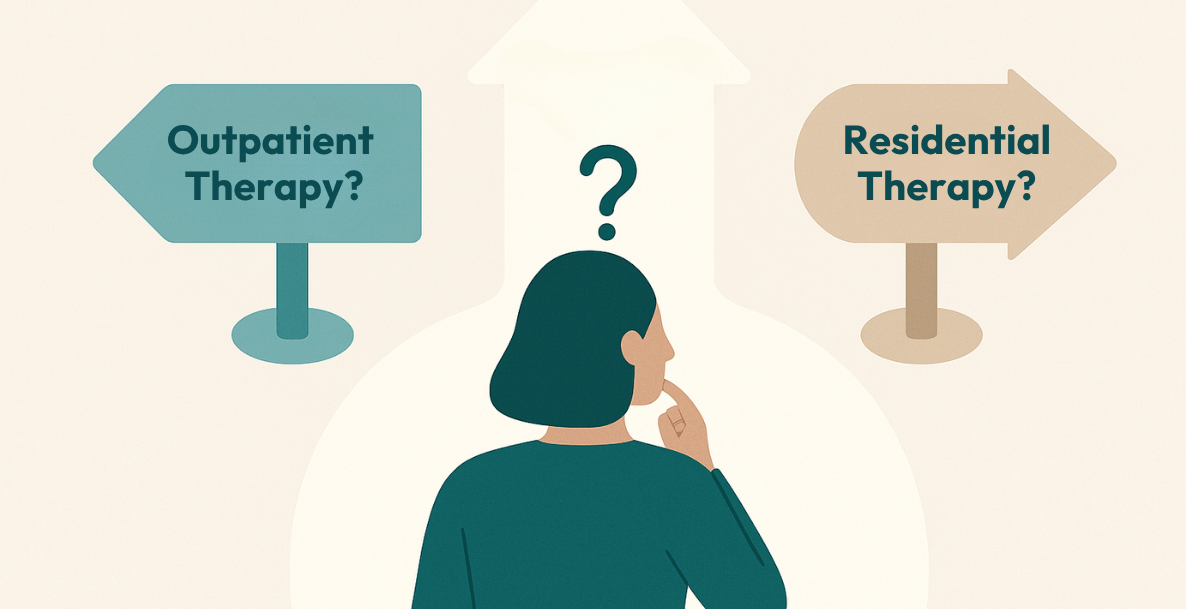
And here’s something important: needing more intensive support isn’t a failure. Some people heal with weekly therapy. Others need intensive outpatient programs or residential treatment. The level of care you need isn’t a reflection of how “broken” you are, it’s a reflection of what you survived.
Supporters and Loved Ones: How to Stand Beside Someone in Trauma Recovery
If you’re reading this because someone you love is struggling, we see you. This is hard. You’re watching someone you care about suffer, and you don’t know how to help. You’re confused, sometimes frustrated, maybe even scared.
Here’s what can help:
Believe their experience. Even when it doesn’t make sense to you. Even when their reaction seems out of proportion. Emotional dysregulation and trauma means their nervous system is responding to past danger, not just present circumstances.
Stay curious, not reactive. When they shut down or snap or disappear into themselves, try asking, “What do you need right now?” instead of, “Why are you acting like this?”
Set kind boundaries. You can’t heal someone else’s trauma. You can support them, but you also need to protect your own wellbeing. It’s okay to say, “I want to support you, and I also need to take care of myself.”
Know your red flags. If someone is at risk of harming themselves or others, if their coping mechanisms have become dangerous, if they’re in crisis, that’s when professional or higher-level support is essential. How to find a trauma-informed therapist near me might be one of the most important searches you ever make.

You Are Not Broken, and You Are Not Alone
Remember that person at the beginning who promised themselves they wouldn’t shut down again? That might be you. Or someone you love.
Here’s what we want you to know: shutting down isn’t failure. It’s your system doing what it learned to do to keep you alive.
Your trauma responses are not who you are. They’re what happened to you and how your brilliant, adaptive nervous system learned to survive it.
Healing doesn’t mean those responses disappear overnight. It means you start to recognize them with compassion. You learn to work with your nervous system instead of against it. You discover that you can feel safe in your own body again, not because nothing bad can ever happen, but because you’re learning you can handle what comes.
What does trauma healing actually feel like? It feels like noticing when you’re triggered and not drowning in shame about it. It feels like choosing to stay present for one extra breath. It feels like asking for help without believing you’re a burden.
If you’re ready to explore what trauma-informed care could look like for you or someone you love, reach out. Talk to a therapist. Look into programs that understand trauma not as something wrong with you, but as something that happened to you.
And in the meantime? Be gentle with yourself. That shutdown, that people-pleasing, that numbness, it’s been trying to protect you. Thank it for keeping you alive. And know that when you’re ready, there’s a path forward that doesn’t require you to shame yourself into healing.
Because you can’t hate yourself into wellness. But you can compassion yourself into something new.