Often the root cause of mental illnesses or addictions is a nervous system that has been reorganised in an unbalanced way as a result of its inability to integrate a traumatic experience. When we experience trauma, or something our brains perceive as life threatening, we are given three choices: fight, flight or freeze.
In order to prepare ourselves for any of these options our bodies flood with energy such as adrenaline. Once the threat has passed, we need time to discharge this energy. More often than not, trauma survivors are not able to properly rid themselves of this stored energy which then over time starts to dysregulate the nervous system, leaving trauma that has been locked within the body.
When our nervous system is dysregulated, we can become less able to cope with the normal ups and downs of life, often over reacting or under reacting in emotional situations. The energy can remain activated, long after the traumatic event has passed, by what we know as hypervigilance and/or an high susceptibility to triggers, noises, smells, a similar person or situation etc. Because the energy that was unable to be discharged after the trauma remained in our limbic system, we are unable to access it cognitively, which renders normal talking therapy somewhat moot until we can help the body discharge this energy in some other way, through a supportive, trauma focused treatment approach.
What is Craniosacral Therapy?
Craniosacral therapy is a treatment that can support your body’s natural ability to heal itself by listening to the vital forces within the craniosacral system that move, create, form, maintain and restore health within it.
Using gently compassionate hands with refined perception and discernment and an orientation to wholeness and health is laid the foundation of the therapeutic intervention. The perception and recognition of the regulating forces of life, support their expression in and through the body, that has a beneficial effect to body, mind and spirit.
How Craniosacral Therapy Supports Trauma Recovery
When trauma overwhelms the nervous system, people may experience lingering states of tension, alertness, or shutdown after the event has passed. That stored energy can keep the system locked in patterns of hyperarousal or shutdown long after the event has passed, which is why talking about what happened is sometimes not enough on its own.
So how does craniosacral therapy work in this context? Through very light, attentive touch, the therapist supports the body in noticing where it has been holding tension and gives it the conditions to settle. Polyvagal theory describes how the autonomic system shifts between states of safety, mobilisation, and shutdown, and craniosacral work helps the body register cues of safety so it can gradually move out of survival mode.
This makes craniosacral therapy for trauma a slow, regulation-focused approach rather than a quick fix. It is trauma focused in that the pace is set by the body’s capacity, not by an external timeline. Over time, some people may notice greater ease, flexibility, or self-regulation as part of a broader trauma recovery process.
What Happens During a Craniosacral Therapy Session
A craniosacral therapy treatment session takes place in a quiet, calm setting where the focus is on giving the body space to settle. You remain fully clothed throughout, with the pace adjusted to what feels comfortable on the day.
The craniosacral therapist uses a very light, gentle touch, usually resting their hands on the head, sacrum, or other points along the body. Rather than working on the body, they listen to it, following what the system is doing and waiting for it to respond in its own time. The touch is very light and non-invasive.
What you notice during a session will be personal to you. Some people register subtle sensations like warmth or small shifts in tension. Others move into a deeply relaxed state. Many leave with a greater awareness of their body than when they arrived. Many people report feeling a gentle release of tension and a sense of calm after a session.
Throughout, the therapist works at a pace your body can manage. Your consent guides the session, and safety is built in through clear communication and the freedom to pause or stop at any point.
How we use Craniosacral Therapy at Khiron Clinics
Craniosacral Therapiy is a therapy that can be used alongside other modalities offered at Khiron Clinics to complement and support the healing journey. CST can “remove the ripples of dysregulation facilitating rebalancing and allowing the whole system to connect to the vital forces of life which constantly generate, maintain and repair the body”, supporting how craniosacral therapy can help release stored stress patterns over time.
However, at Khiron Clinics the clinical team assess every client’s individual needs, understanding that in some cases touch, however respectful, cannot be tolerated. When a client isn’t ready for hand on treatment, the practitioners in the clinic work with them towards negotiating boundary and contact allowing the client to feel heard in regard to how the treatment plan is designed. Putting clients at the center of their own recovery journey is exceptionally empowering. It is this empathy and compassion that truly makes Khiron a special place to be.
When a client does feel ready to be treated with Craniosacral, along with the many other therapeutic modalities offered, Khiron provide a safe space to understand and explore the link between physical, bodily sensations, past traumatic events and related emotions. This combined approach offers safety and security for clients to explore traumatic issues that lie behind their mental health problems.
During a Craniosacral therapy treatment session, you will lie fully clothed whilst a practitioner places their hands gently on you using the hands to listen to the subtle rhythm of the life forces that can be felt, much in the same way a cognitive therapist would listen to words that you spoke during a therapy session. In time your body will start to increasingly orient to its inherent health. The therapy can also help you better understand any physical implications your mental health condition may have had on your body. Throughout the sessions you may safely experience the release of both physical and emotional stress.
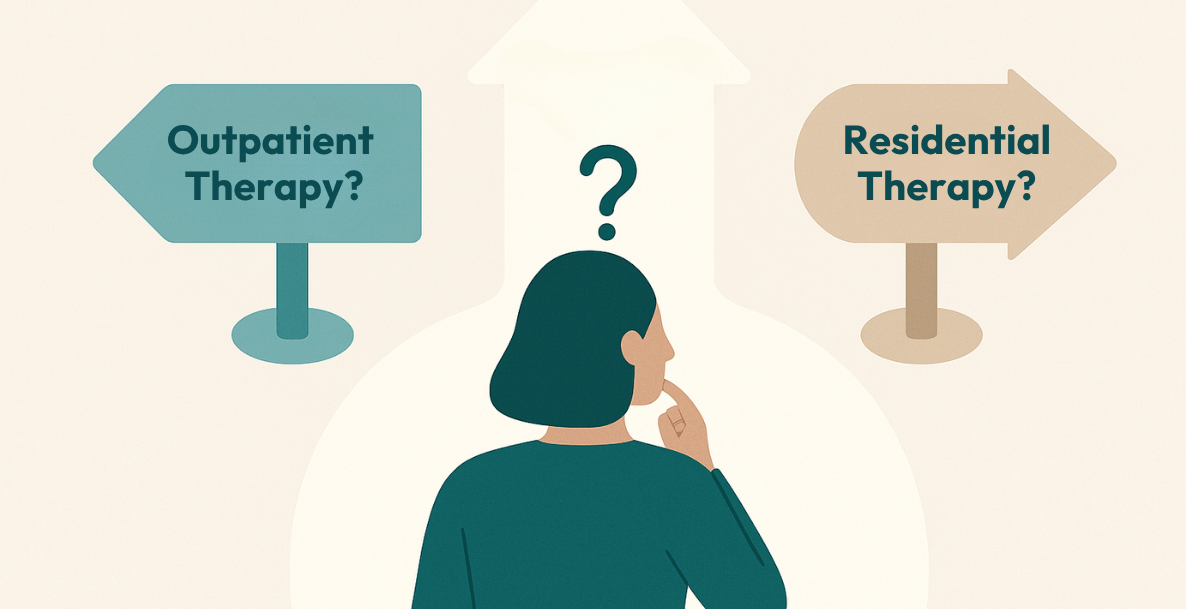
If you have a client or know of someone who is struggling to find the right help for them. Reach out to Khiron. We believe that we can stop the revolving door of treatment and misdiagnosis by providing effective residential and out-patient therapies for underlying psychological trauma. Allow us to help you find the path to effective, long lasting recovery. For information, call us today. USA: +1 (877) 561 4453 UK: +44 (20) 3856 4112
Who Can Benefit from Craniosacral Therapy
Craniosacral therapy may be considered by people whose experience does not always fit neatly into a clinical label. Common starting points include feeling overwhelmed by everyday demands, feeling shut down or disconnected from the body, or finding ongoing stress harder to cope with than it used to be.
It may also be considered as a complementary option for those who have spent time in traditional talking therapy without finding the relief they hoped for. Some people experience trauma as both emotional and physical stress, and for them, cognitive insight alone may not fully address the physical side of that stress. Body-based approaches give the nervous system a different route in, and craniosacral therapy can be explored as part of a broader approach alongside other modalities.
People exploring craniosacral therapy for PTSD support may be drawn to it because previous strategies have not fully addressed the physical or somatic side of their stress. They may consider it as a complementary approach alongside other treatments, rather than as a standalone fix for PTSD.
Benefits of Craniosacral Therapy for Trauma Recovery
The changes that come from craniosacral therapy tend to be gradual and look different from one person to the next. What stays consistent is the direction of travel: the nervous system becoming a little more regulated, and the body becoming a little more familiar.
One of the most common shifts is improved nervous system regulation, where the system spends less time stuck in high alert or shutdown and more time in a settled middle range. From there, reactivity often eases. Situations that once produced a strong response can begin to register with less intensity, which gives more room to choose how to respond rather than being pulled by reflex.
Better body awareness develops alongside this. People often notice tension and breath patterns earlier, and pick up on emotional shifts before they escalate. Over time, an increased sense of safety in the body builds up, and craniosacral therapy can help release the holding patterns that kept the system bracing.
Within a wider therapy trauma plan, these benefits work cumulatively. No two recoveries follow the same timeline, and outcomes are never guaranteed.
Begin Your Recovery Journey with Khiron Clinics
Trauma changes how the nervous system responds, and the work of recovery is largely the work of giving that system somewhere safe to settle. Craniosacral therapy may be used as one gentle complementary approach within a trauma-informed programme, working with the body to support regulation and ease reactivity, while a felt sense of safety can rebuild over time. It sits alongside other trauma-focused approaches rather than replacing them, and the process is typically gentle and gradual, unfolding at the pace the body can manage.
At Khiron Clinics, craniosacral work is one part of a wider integrative programme that addresses what trauma has done to the whole system, not only the symptoms it produces. Treatment is offered through our residential programme in Oxfordshire, our London Day Clinic, and online options including the Day Clinic Online, with each pathway shaped around what your nervous system is currently asking for.
If you would like to explore whether this approach is right for you, you can book an initial consultation, make an enquiry through our team, or download our brochure to read more about how we work.
FAQs
Is craniosacral therapy safe for people with trauma?
Yes. Safety, consent, and pacing are prioritised throughout, and the therapy is delivered in a very gentle way that is adapted to your comfort level. Some people initially find touch difficult, so alternatives are offered. The goal is to encourage a sense of safety, never to overwhelm.
Is craniosacral therapy good for anxiety or constant stress?
It may help. Craniosacral therapy supports the body in settling stress responses and gradually winding down the trauma response that often sits underneath chronic anxiety. It may ease some symptoms of ongoing stress over time, and works best as a complementary approach alongside other support.
Is craniosacral therapy suitable if I feel overwhelmed or shut down?
It may be suitable. For people feeling overwhelmed, disconnected, or shut down, sessions are adapted based on your current readiness and capacity. Therapists adjust the pace as needed, and the work is most useful as part of a complementary support plan rather than a standalone treatment.
Does craniosacral therapy work?
Responses vary from person to person. Some people notice meaningful changes in nervous system regulation, body awareness, and felt safety over time, while others find it less helpful on its own. It tends to work best when integrated into a wider trauma-informed treatment plan.
How long does craniosacral therapy take?
Session length typically ranges from 45 to 60 minutes. The number of sessions varies depending on individual goals, symptoms, and how someone responds over time. Some people report feeling more relaxed or regulated after a few sessions, while others choose longer-term work as part of a broader trauma-informed treatment plan.
How long will it take for me to see results after craniosacral therapy?
Timelines vary considerably. Some people notice subtle shifts in regulation or relaxation after the first few sessions, while deeper, lasting changes often build over weeks or months of consistent work. The nervous system sets its own pace, and progress is rarely linear.