
Trauma leaves traces that extend far beyond memory; it imprints itself on the body, shaping how we move through the world, respond to stress, and relate to others. Often, these traces manifest in the autonomic nervous system, which is the part of us that regulates fight, flight, freeze, and surrender. These nervous-system patterns are not signs of weakness or flaw, but survival strategies learned in response to overwhelming conditions. They can make everyday life feel unpredictable, relationships more challenging, and emotional regulation more difficult.
Understanding trauma through the lens of the nervous system reframes these patterns as intelligible adaptations rather than personal failings. Healing begins not with simply naming the symptoms, but with creating conditions in which the nervous system can learn to settle, engage, and tolerate the full spectrum of emotional experience.
What Is Hyperarousal?
Hyperarousal can feel like the body’s alarm system stuck in the “on” position. For people who have experienced trauma, the sympathetic nervous system, the part of us responsible for fight, flight, or freeze responses, remains in a heightened state of alert, even when the threat is long past. This means that sensory information (such as smells, sounds, feelings) that resemble an earlier threat can signal danger to the brain and body. This isn’t a flaw or overreaction; it is a survival strategy that the nervous system learned under conditions of danger.
In this state, stress hormones such as epinephrine and cortisol constantly signal the body to stay ready. Epinephrine triggers immediate physical reactions such a racing heart, rapid breathing, and dilated pupils which are all preparing the body to act. Cortisol, which normally helps regulate stress over time, can become dysregulated, particularly in people with PTSD, leaving the body both exhausted and on edge. The lived experience of hyperarousal can feel relentless.
Symptoms of hyperarousal can include:
- Difficulty falling and staying asleep
- Irritability and anger
- Panic attacks
- Excessive startle reflex
- Panic attacks
What Is Hypoarousal?
Hypoarousal is the opposite of hyperarousal. Instead of feeling alert, tense, or keyed-up, the nervous system shifts into a low-energy, shut-down state. This can feel like going emotionally or physically offline. Rather than being driven into high activation, the nervous system shifts into a state of reduced arousal, characterised by decreased energy and physiological slowing, an automatic protective response mediated by the parasympathetic (dorsal vagal) system.
From a polyvagal perspective, this happens when the body perceives a situation as overwhelming, inescapable, or beyond its capacity to manage. When fight or flight don’t feel possible, the system defaults to shutdown to reduce strain and preserve safety. Over time, especially for trauma survivors, this response can become habitual, activating even in situations that are not truly dangerous.
For many people, this state can feel like:
- Dissociation or “checking out”
- Emotional numbness
- A disconnect between the body and feelings
- Emptiness or a sense of fading out
- Low motivation or slowed thinking
- Feeling distant, foggy, or hard to reach
Hypoarousal often happens when internal or external cues, such as stress, conflict, or reminders of past trauma, signal to the nervous system that shutting down is the safest option. It’s not a personal failure; it’s an adaptive survival response that can become automatic over time.
With the right support, people can learn to recognise this state, gently increase regulation, and return to a place of connection and presence.
Common Triggers That Lead to Hyperarousal and Hypoarousal
Our nervous system is constantly scanning for safety. In people with a history of trauma, certain internal or external cues can trigger either hyperarousal (over-activation) or hypoarousal (shutdown), depending on how the body interprets the situation. These triggers often mirror experiences from the past, even if the present is objectively safe.
Common triggers include:
Interpersonal conflict or perceived rejection – Arguments, criticism, or subtle shifts in tone can activate threat responses.
Overwhelm or high-stress situations – Work pressure, multitasking, or sensory overload can tip the nervous system into hyperarousal.
Reminders of past trauma – Sights, sounds, smells, or locations associated with earlier traumatic events may provoke a protective response.
Isolation or lack of support – Feeling unseen, unheard, or disconnected can trigger hypoarousal, leading to emotional withdrawal or numbness.
Physical sensations or body states – Fatigue, hunger, pain, or illness can destabilize the nervous system, sometimes shifting arousal up or down.
Unexpected changes or uncertainty – Sudden transitions, surprises, or ambiguity can activate hypervigilance or shutdown responses.
This is not an exhaustive list, and the complexity of the nervous system as well as the wide range of experiences that can distress and overwhelm us, means that recognising the signs of hypoarousal or hyperarousal is key. By tracking this, and noticing which situations provoke hyperarousal or hypoarousal, we can begin developing strategies to support the nervous system, and respond with awareness rather than reactivity, and gradually expand our window of tolerance.
The Window of Tolerance
Hyperarousal and hypoarousal are closely related to the window of tolerance, a concept developed by Dr Dan Seigel to explain how the nervous system experiences and responds to stress and arousal levels. The window is the zone of arousal in which people can function effectively and receive, process, and respond to information. However traumatic events can overwhelm our system in a way that causes the window of tolerance to narrow and change, making people more prone to hyperarousal or hypoarousal that they were before.
Therefore, events or stressors that seem relatively benign to those on the outside, can push people out of their window of tolerance after a traumatic event. When people are frequently pushed into hyperarousal or hypoarousal, they can struggle with a range of symptoms that can also co-occur with anxiety, depression, and PTSD, such as flashbacks and memory, focus or sleep issues.
The window of tolerance can be affected by several factors:
Trauma history: Past overwhelming experiences can narrow the window, making the nervous system more reactive.
Current stress levels: High stress from work, relationships, or life changes can reduce the capacity to stay regulated.
Sleep and rest: Poor sleep or chronic fatigue lowers resilience and increases vulnerability to dysregulation.
Physical health: Illness, pain, or other bodily stressors can make it harder to stay within the window.
Emotional load: Unprocessed emotions, grief, or chronic anxiety can reduce the window of tolerance.
Environment: Overstimulating or unsafe environments can push people into hyperarousal or hypoarousal more easily.
Support systems: Lack of social support or co-regulation opportunities can make it harder to maintain equilibrium.
Expanding the Window of Tolerance
It is possible to reduce symptoms of hyperarousal and hypoarousal and help people widen their window of tolerance:
Grounding techniques help the nervous system return to its optimal window of tolerance by fostering body awareness, sensory regulation, and present-moment connection. Effective grounding strategies can include:
Breath-based: Slow, intentional breathing to support ventral vagal activation and calm hyperarousal. Noticing the rhythm, depth, or temperature of the breath can anchor attention in the body.
Interoception: Tuning into internal sensations such as muscle tension, temperature, the feeling of the floor or chair below you, or digestive cues helps re-establish a felt sense of safety and embodiment.
Eye and sensory focus: Shifting eye gaze, tracking objects, or noticing visual details in the environment can help orient the nervous system and reduce dissociation.
Mindful physical strategies: Gentle movements such as rocking, stretching, rolling shoulders, or walking with awareness allow the body to discharge tension and reconnect with sensation.
Thermal or tactile cues: Cold (ice, tap water, or cold objects) can help down-regulate hyperarousal, while warmth (heated objects, warm showers) can help activate and energize the nervous system in hypoarousal.
Other somatic practices: Weight-bearing, grounding posture, or guided body scans can reinforce interoceptive awareness and integration of the nervous system. During a panic attack or flashback, people can feel overwhelmed by their emotions and reactions. Still, grounding techniques interrupt the body’s response and help the brain return to a place of safety.
- Mindfulness – an essential skill of mindfulness involves being aware of the body and being able to remain in the present moment. Anxiety and dissociation caused by hyperarousal or hypoarousal can be distressing, but being mindful and aware of the body can help reduce panic and help people connect to their bodies.
- Identify triggers – triggers push people outside of their window of tolerance and into hyperarousal or hypoarousal. Identifying triggers and having a plan in place for how to manage them can help people stay within their window of tolerance and manage the triggers they encounter daily.
- Somatic experiencing – hypoarousal is connected to the freeze response, where the body freezes when there is a low chance of escaping a traumatic experience via fight or flight. The body can then hold the energy stored by this response long after the threat has passed, which can present as anger, guilt, or muscle tension symptoms. Somatic experiencing takes a bottom-up approach to treatment and helps people recognise bodily sensations and resolve trauma that lingers in the body.
- Professional help – having a smaller window of tolerance can be challenging to manage alone, even when using coping skills. Seeking professional support for trauma can help people address the root cause of hyperarousal and hypoarousal while working to expand their window of tolerance in a healthy, safe environment.
Different types of arousal can benefit from different coping techniques. As it is characterised by numbness and dissociation, hypoarousal can be combatted by stimulating the senses and utilising physical exercise to reconnect to the body and nervous system. Conversely, more relaxing coping techniques such as soothing music or meditation are more beneficial for soothing the nervous system.
Hyperarousal and hypoarousal are two sides of the same coin. When someone is pushed out of their window of tolerance by a trigger, they may become hyperaroused and anxious or hypoaroused and detached. No matter the reaction, the window of tolerance can be broadened by treating the root causes of trauma and helping people strengthen their nervous system regulation and coping strategies for long-term recovery.
How Trauma Therapy Helps Regulate Arousal States
Trauma therapy works by addressing the root causes of hyperarousal and hypoarousal, helping the nervous system gradually learn safety, regulation, and resilience. Rather than focusing solely on symptom management, effective trauma therapy supports bottom-up processing, engaging the body, nervous system, and interoceptive awareness, alongside cognitive and emotional processing.
Therapies such as somatic experiencing, sensorimotor psychotherapy, and trauma-informed approaches help clients notice and resolve the physiological imprint of trauma. Through guided interventions, the nervous system can re-pattern responses, expand the window of tolerance, and integrate previously overwhelming sensations safely. Clients learn strategies for self-regulation, grounding, and co-regulation, building capacity to respond rather than react to triggers.
Trauma therapy also strengthens the connection between the body and the mind, helping individuals access previously blocked emotions, release tension stored in muscles, and restore a sense of embodiment. Over time, clients often report feeling more present, more attuned to their emotions, and more capable of engaging in relationships without being dominated by past trauma responses.
By addressing both the psychological and physiological impacts of trauma, therapy can transform survival patterns into adaptive coping strategies. This not only reduces anxiety, dissociation, and hypervigilance, but also fosters lasting emotional stability, resilience, and self-trust.
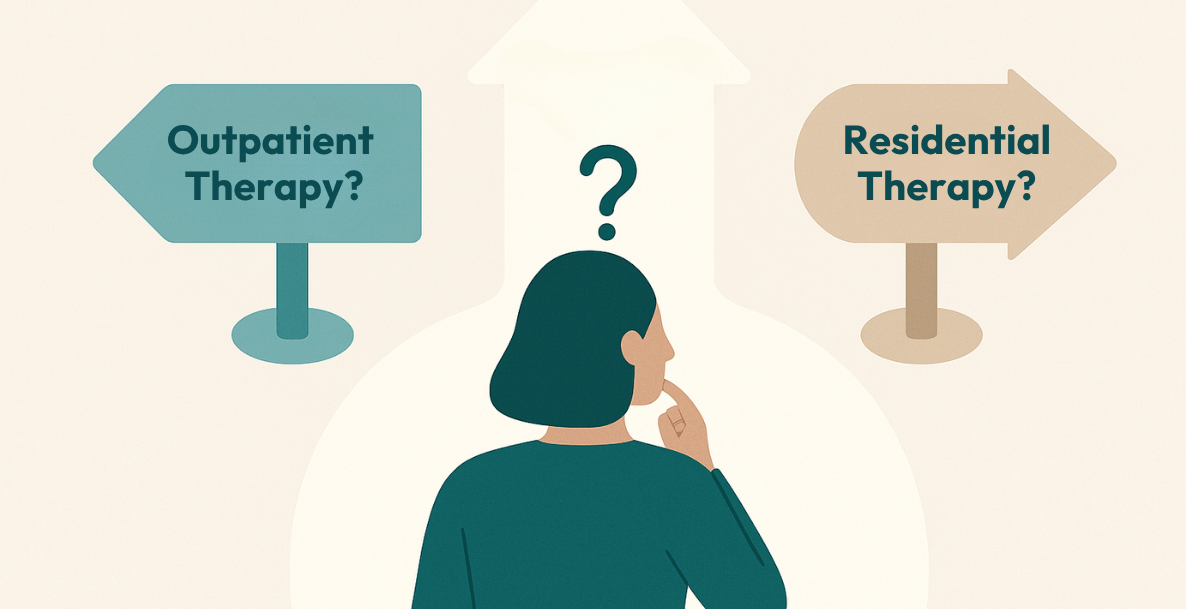
If you or someone you know struggles with the effects of trauma, Khiron Clinics can provide specialised residential programs and outpatient therapies that target the underlying causes of dysregulated arousal. Our experienced team offers a safe, supportive environment where the nervous system can be gently guided back into balance, helping clients achieve meaningful, long-term recovery.
If you have a client or know of someone struggling with anything you have read in this blog, reach out to us at Khiron Clinics. We believe that we can improve therapeutic outcomes and avoid misdiagnosis by providing an effective residential program and outpatient therapies addressing underlying psychological trauma. Allow us to help you find the path to realistic, long-lasting recovery. For more information, call us today. UK: 020 3811 2575 (24 hours). USA: (866) 801 6184 (24 hours).
FAQs
What is the main difference between hyperarousal and hypoarousal?
Hyperarousal occurs when the nervous system is in a heightened state of alert, producing symptoms like anxiety, irritability, panic, or difficulty sleeping. Hypoarousal is the opposite: the nervous system shifts into a low-energy, shut-down state, which can feel like numbness, dissociation, low motivation, or emotional disconnection. Both are protective survival responses learned through past trauma.
What is the window of tolerance and why is it important?
The window of tolerance, a concept developed by Dr. Dan Siegel, refers to the zone of arousal in which the nervous system can function optimally, processing information, managing emotions, and responding adaptively. Trauma can narrow this window, making it easier to become hyperaroused or hypoaroused. Expanding the window allows for better emotional regulation, resilience, and a sense of safety in daily life.
How are hyperarousal and hypoarousal connected to trauma and PTSD symptoms?
Trauma and PTSD can dysregulate the nervous system, causing it to overreact (hyperarousal) or underreact (hypoarousal) to stressors. Triggers, whether interpersonal, environmental, or internal, can activate these states, leading to anxiety, flashbacks, dissociation, or emotional numbness. These responses are not personal failings; they are learned survival strategies.
How does trauma therapy help with hyperarousal and hypoarousal?
Trauma therapy works by helping the nervous system learn safety and regulation. Approaches such as somatic experiencing, mindfulness, and sensorimotor psychotherapy engage the body and mind together, allowing clients to process trauma safely. Therapy supports grounding, interoceptive awareness, and coping strategies that expand the window of tolerance and reduce extreme physiological reactions to triggers.
How long does it take to notice progress during trauma therapy?
Progress varies depending on the individual’s trauma history, nervous system patterns, and the type of therapy used. Some people notice small improvements in regulation, sleep, or emotional stability within weeks, while deeper shifts in nervous system responses and integration can take months. Consistent practice of coping skills, grounding techniques, and professional guidance accelerates progress and fosters lasting change.