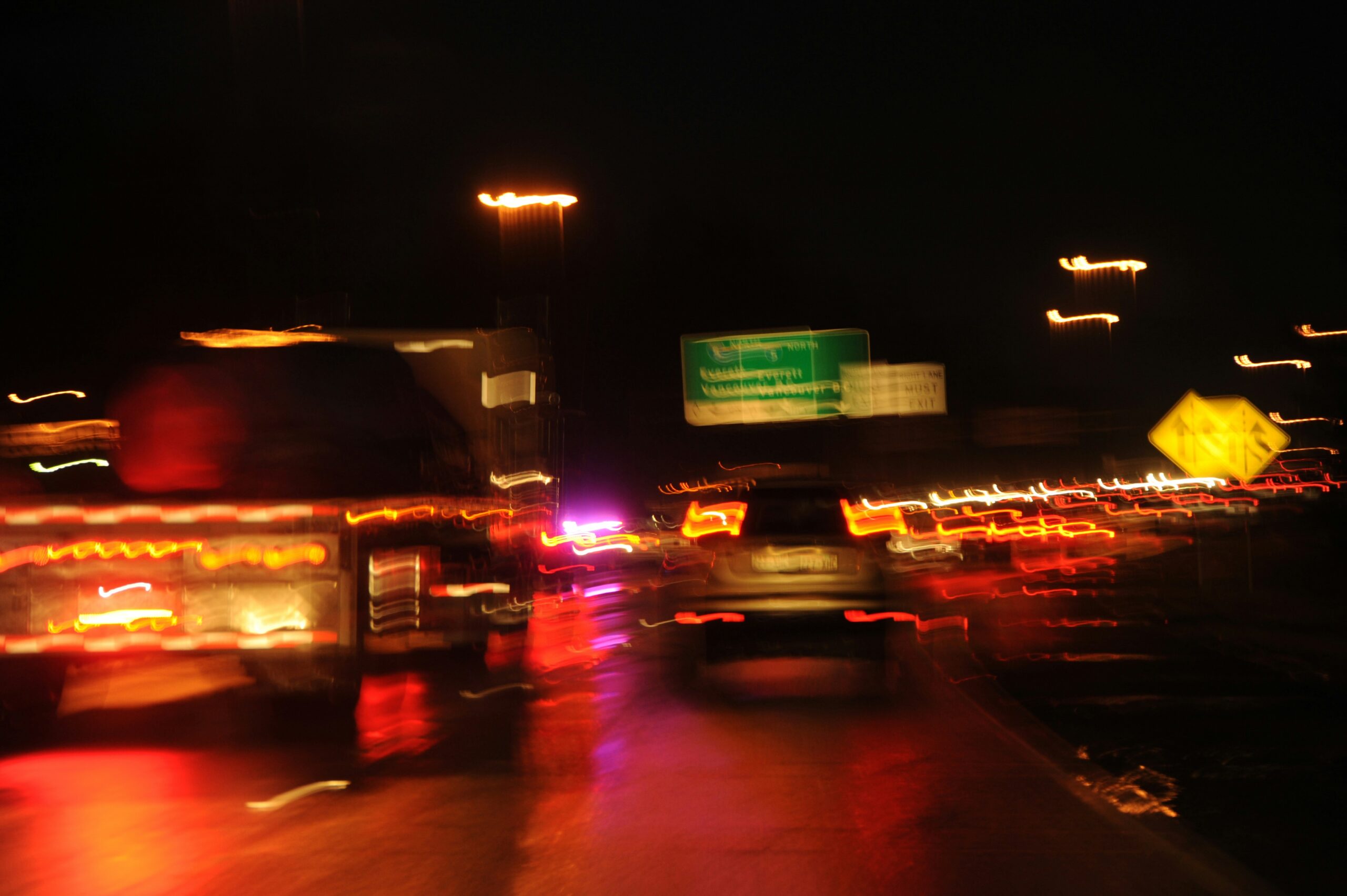

Have you ever felt your heart race or your mind go blank in a tense situation, even if you weren’t in physical danger? These intense reactions are more common than people realise, and many Londoners experience them amid the constant rush of city life, juggling crowded commutes, noisy streets, work deadlines, and the pressure of balancing multiple commitments, all of which can act as triggers for these responses. Trauma responses are the body’s natural survival mechanisms, designed to keep us safe. But sometimes, these responses get “stuck,” causing anxiety, overwhelm, or avoidance long after the original threat has passed. Understanding these patterns is the first step toward reclaiming calm, resilience, and control.
What Is a Threat Response vs Trauma Response?
The terms threat response and trauma response are often used interchangeably, but they are a bit different. A treat response is the mind and body’s automatic way of reacting to perceived danger, whether the threat is physical, emotional, or psychological. In a highly stressful situation, our bodies make an unconscious decision to react in a certain way to oncoming danger. These reactions are rooted in evolutionary biology, and were developed across hundreds of thousands of hears. When our nervous system is regulated and has capacity, we can move between stress response and regulation without too much trouble, as long as activation doesn’t last too long or happen too often.
A trauma response, on the other hand is more specific and contextual. Trauma responses are threat responses that are shaped, intensified, or dysregulated by past trauma. In this case, the response is being activated based on memory, not current reality. Trauma responses are incredibly intense, often transporting the person back to the moment of stress or danger, making it feel like they really are there. Smells, sounds and other sensory stimuli that resemble an earlier trauma can trigger a reaction that seems disproportionate to the moment. For example, a person who is triggered by the sound of fireworks or by the feeling of being touched or held in certain ways.
In London’s fast-paced, loud and often intense environment, where high stress and constant stimulation are common, understanding these responses can help individuals recognise that these reactions are normal survival strategies, not personal failings.
Survival Responses to Stress and Threat
1. Fight
The “fight” response prompts us to confront or resist danger. This can appear as aggression, defensiveness, or assertiveness. In competitive workplaces or social environments, chronic fight responses may lead to burnout, strained relationships, or heightened irritability, even when the threat isn’t immediate.
2. Flight
The “flight” response is the instinct to escape danger, physically or emotionally. Avoiding difficult conversations, procrastinating, or leaving jobs or relationships are common examples. In London, with its constant demands, flight responses can manifest as job-hopping, social withdrawal, or chronic avoidance of challenging situations.
3. Freeze
Freeze occurs when the body shuts down in response to an overwhelming threat. This may feel like numbness, inability to move or speak, or dissociation. Everyday stressors, such as crowded Tube stations, high-pressure work deadlines, or overstimulating environments, can trigger freeze reactions, leaving people feeling stuck or unable to respond.
4. Fawn
Fawn responses involve appeasing others to avoid conflict, often driven by heightened sensitivity to others’ emotions and a fear of relational threat. This can look like chronic people-pleasing, over-accommodating behaviour, or sacrificing personal boundaries. In London’s diverse social landscape, fawn responses may be common among those seeking acceptance or navigating environments where confrontation feels unsafe.
Why Do Trauma Responses Develop?
Trauma responses are adaptive strategies, developing from acute, chronic, or complex experiences. Acute trauma is caused by sudden, overwhelming events such as accidents, physical or sexual assault, or unexpected loss. Chronic trauma develops through prolonged exposure to distressing conditions, including ongoing physical, emotional, or sexual abuse, or living in an environment marked by domestic violence. Complex trauma involves repeated or sustained exposure to traumatic experiences, which often begin in childhood.
Although the situations that cause trauma are different, the cause is similar. When we experience a situation that we cannot cope with or escape from, we shut down or freeze. This causes all of the energy, hormones and chemicals generated for escaping or fighting to become trapped in our bodies, along with the memory of the event. The problem with these memories is that they are stored without a timestamp or context, because those parts of our brain are shut down to prioritise quick reactions and survival. This leaves us scanning for threat and picking up on any resemblance of the event in order to avoid any further danger.
It’s important to remember that trauma is not always violent or loud; sometimes it is what was missing, rather than what was there. This means that pressures, high expectations, and fast-paced living can all act as triggers for ingrained responses.
How Trauma Responses Affect Mind and Body
Emotional and Cognitive Signs
Common signs include anxiety, irritability, racing thoughts, difficulty concentrating, or persistent negative thinking. In London, these are often mistaken for “just being busy” or everyday stress.
Physical and Behavioural Signs
Trauma responses may manifest as headaches, fatigue, digestive issues, or changes in appetite. Behaviourally, they can appear as social withdrawal, increased substance use, sleep disturbances, or avoidance of certain situations.
The Window of Tolerance
The “window of tolerance” is the optimal zone for managing emotions and stress. Trauma responses push people outside this window, either into hyperarousal (fight/flight) or hypoarousal (freeze/fawn), making them feel overwhelmed, numb, or disconnected. Therapy, mindfulness, and body-based practices can gradually expand this window, helping the nervous system learn safety.
When Is a Trauma Response a Problem?
Trauma responses become problematic when they interfere with work, relationships, or daily functioning, or persist long after the original threat is gone. In today’s high-speed world, symptoms like chronic anxiety, avoidance, or emotional volatility may be normalised, making it harder to recognise when professional support is needed.
How to Recognise Your Own Trauma Response Patterns
Journaling Prompts
Ask questions like “What situations make me tense?” or “When do I feel the urge to escape or shut down?” Journaling can illuminate patterns and triggers and is a cost-effective self-help tool.
Somatic Cues
Pay attention to your body: tight shoulders, a racing heart, shallow breathing, or a knot in your stomach can signal trauma responses. Grounding exercises, even simple ones like focusing on your breath or feet on the floor, can help bring awareness and calm.
Thought and Behaviour Tracking
Notice recurring thoughts or patterns: avoiding certain places, people-pleasing, or automatic withdrawal. Tracking these responses in a journal or app helps build insight and can guide change over time.
Evidence-Based Treatments for Trauma Responses
At Khiron Clinics, trauma responses are treated with compassion, polyvagal-informed approaches, and trauma-sensitive care. Treatment focuses on regulating the nervous system, building safety in relationships, and integrating mind-body awareness. Approaches may include:
Trauma-focused psychotherapy (processing past experiences safely)
Somatic and body-based therapies (helping the body release stored stress)
Experiential and relational exercises (practising connection and boundaries)
Polyvagal-informed regulation strategies (learning to expand the window of tolerance)
The goal isn’t to erase natural survival responses, but to teach the nervous system that safety is possible, enabling people to respond rather than react, reconnect with themselves, and engage with life and relationships more fully.
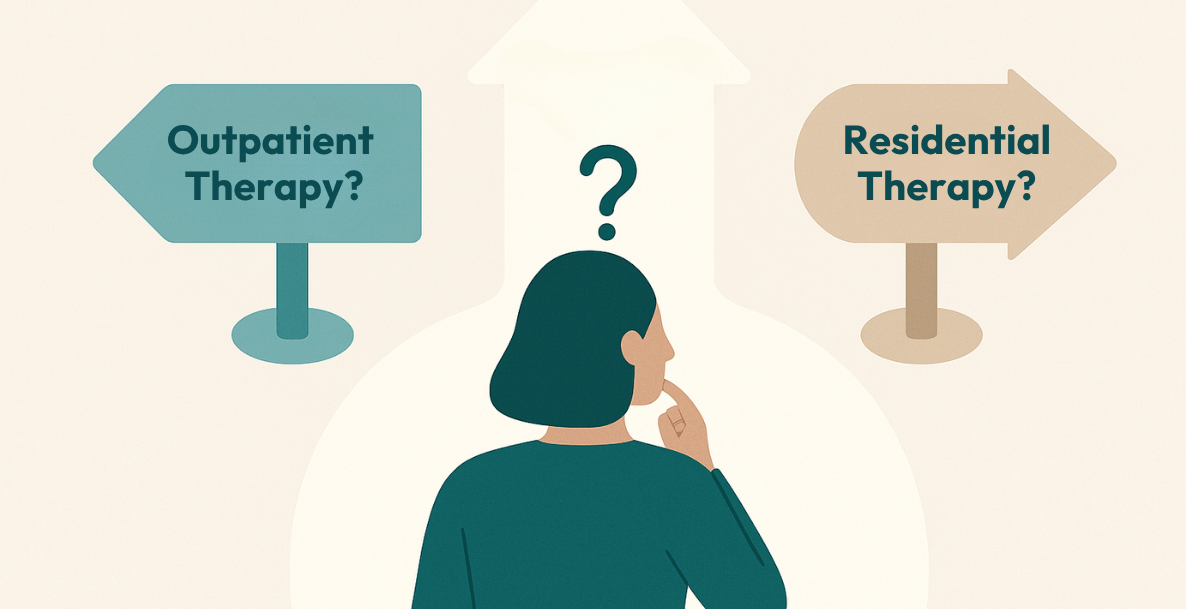
If you have a client or know of someone struggling with anything you have read in this blog, reach out to us at Khiron Clinics. We believe that we can improve therapeutic outcomes and avoid misdiagnosis by providing an effective residential program and outpatient therapies addressing underlying psychological trauma. Allow us to help you find the path to realistic, long-lasting recovery. For more information, call us today. UK: 020 3811 2575 (24 hours). USA: (877) 561 4453 (24 hours).
Frequently Asked Questions (FAQ)
Can you have more than one trauma response type?
Yes. Most people have access to all four responses (fight, flight, freeze, and fawn) but tend to rely on one or two more frequently, depending on their history and context. These patterns can shift over time or change depending on the situation. For example, someone might freeze in personal relationships but move into fight mode at work. Trauma responses are adaptive, not fixed identities.
Do trauma responses ever go away completely?
Trauma responses don’t usually disappear entirely, but they can become far less intense, frequent, and disruptive. With appropriate support, such as trauma-informed therapy, somatic practices, and nervous system regulation, the body can learn that the danger has passed. Over time, people often find they respond more flexibly rather than automatically, with greater choice and awareness.
Is a trauma response the same as a “trigger”?
Not quite. A trigger is something that activates a trauma response, such as a sound, smell, situation, or interaction that resembles a past experience. The trauma response is what happens in the body and mind after that activation (for example, panic, shutdown, anger, or people-pleasing). Understanding the difference can help individuals recognise what is happening and respond with self-compassion.
What is the difference between trauma responses and personality traits?
Trauma responses are learned survival strategies, not personality traits. While they can look like stable characteristics—such as being “avoidant,” “controlling,” or “too nice”—they are context-dependent and rooted in the nervous system’s attempt to stay safe. Personality traits tend to be consistent across situations, whereas trauma responses are often activated by perceived threat and can change with healing and regulation.
Can trauma responses show up years after the event?
Yes. Trauma responses can emerge long after the original experience, particularly during times of stress, transition, or when something in the present resembles the past. Because traumatic memories are stored without a clear sense of time, the nervous system may react as though the danger is happening now, even decades later. This does not mean someone is “going backwards,” but rather that the body is asking for safety, understanding, and support.