
Procrastination is something that everybody struggles with from time to time. It’s very easy to put things off – maybe there’s a new film to watch or a book you’ve been meaning to read that’s more fun than writing that report.
However, some people find themselves overwhelmed by their tasks, and others struggle with a perfectionist impulse that means they refuse to start anything out of a fear that it will not be perfect.
Why Do People Procrastinate?
There are many reasons why people procrastinate and put off important tasks:
- A need for control – some people may think that procrastinating gives them an extra edge of control over what they are working on because they decide exactly what they do and when they do it.
- Being overwhelmed – big projects or tasks that will take hours can overwhelm anyone. However, procrastinators can feel bogged down with the size of what they need to do and will put it off indefinitely.
- Fear of failure – a task that is never started can’t go wrong, or so procrastinators think. They are often afraid of failing, especially if they try something new, and people who procrastinate tend to avoid tasks where there is a risk of negative evaluation.
Some people procrastinate by staring anxiously at a screen, trying to will themselves to start, whereas others take a more active approach. Instead of working on a task with a tight deadline, they will clean their rooms or wash the dishes – anything but focus on the highly pressured task at hand.
It is also common for people to procrastinate sleep. This is a phenomenon known as revenge bedtime procrastination, in which people put off going to sleep to make room for chores or hobbies.[1] People may do this for many reasons, such as disliking their jobs or simply doing other things.
Many people can regard those who procrastinate as lazy or assume they have time management issues, but this is not the case. Their reasons for procrastination are closely linked to anxiety.

Active or Passive Procrastination?
There are two types of procrastination: active and passive. Passive is the type most people think of – people who cannot start their most important tasks.
On the other hand, active procrastinators may put off doing something until the last minute because they believe they work better under pressure. In this case, they are not paralysed with the same fear that passive procrastinators are but are motivated by the extra element of time pressure.
Anxiety-Related Procrastination
Many people with anxiety can also struggle with procrastination, particularly those who have high levels of trait anxiety. People procrastinate for many reasons and in many ways. Some struggle with intolerance of uncertainty, which causes them to procrastinate. Their anxiety may also overcomplicate the issue and make it difficult to decide where to start.
Anxiety-related procrastination is a vicious cycle. Although a task may make people feel anxious, putting it off can make them feel more anxious and create more dread around the task in the long run. Research also shows that procrastinators get worse sleep and feel tired in the daytime, worsening the cycle of procrastination and amplifying anxiety symptoms.[2]
Large tasks can be especially difficult for people with anxiety. The amount of work it will take may be daunting, and once again, they can have difficulty finding a place to begin. Even if they want to start, they may then talk themselves out of it by telling themselves that they won’t do it right, or someone will react negatively so why bother.
Anxiety can disguise itself behind various other emotions. You may feel angry and blame other people for not completing a particular task and resent having to do the job in the first place.
Procrastination is not a character flaw, nor is it bad time management. It is often a coping mechanism for complex emotions such as anxiety and frustration, which cause people to put off tasks continuously; however, at its root cause, procrastination is an emotional regulation problem.
Perfectionism and Anxiety
Perfectionism is a trait that many anxious people struggle with. People hold themselves to an impossibly high standard and put off starting or completing tasks because they are afraid they will not be perfect.
Perfectionism can often surface in should statements, for example, telling yourself “I should be perfect at this or I shouldn’t do it at all!” This puts a lot of pressure on individuals, and they struggle with getting any work done as they tell themselves that it will not be good enough regardless.
When Procrastination Becomes a Pattern
Occasional procrastination is one thing. When it becomes a default, the picture changes.
A repeated cycle of putting things off can settle into an automatic habit across work, studies, health, and relationships. Common signs include frequent delays, guilt after postponing, doing most things at the last minute, and reaching for distractions whenever a difficult task appears.
The pattern worsens anxiety rather than relieving it. Fear of failure leads to delay, which increases the pressure and feeds self-criticism. The next task carries more dread, and the cycle tightens.
Productivity drops, opportunities pass by, and relationships strain under missed commitments.
If the pattern is rooted in anxiety, perfectionism, or fear of failure, time-management tips usually do not reach the underlying cause. When procrastination keeps interfering with your life despite your best efforts to change it, professional support can help address what is sitting underneath.
How to Beat Procrastination
It is possible to beat procrastination and work to become more productive:
- Improve your decision-making skills – difficult problems can be overwhelming but having good decision-making skills can make tackling the issue much more manageable. Describe your issue in detail and list the actions you can take to solve it, including alternative plans. You can then pick the best one!
- Break down your tasks – breaking big tasks down into smaller, bite-sized chunks makes the problem much less overwhelming and helps remove some of the anxiety around the issue.
- Use the five-minute rule – the five-minute rule is an excellent technique for those who struggle with procrastination. Set a five-minute timer and complete one small task – it could be part of a larger project or be as simple as starting laundry.
- Reward yourself – finishing your tasks should be fun! Have some set rewards to give yourself after you have tackled a particularly menacing task, such as your favourite coffee or watching a movie.
- Practice self-compassion – chronic procrastinators are often very harsh on themselves, telling themselves that they are lazy or selfish. Practising self-compassion and talking to yourself kindly can help to increase motivation and overall mental well-being.
However, the best thing to do for anxiety-related procrastination is acknowledge your anxiety. It may be state anxiety about the general project, or you may be struggling with other anxiety symptoms, such as having a sense of impending danger and an increased heart rate.
Avoidance is typical of people with anxiety. They may miss social engagements or events that make them feel anxious and do the same with various tasks and projects.
Conclusion
Procrastination is closely linked to anxiety. Many people find that their anxiety flares up when faced with a large task, causing them to put off the task out of a fear that it won’t be good enough or that it’s simply too much for them to handle.
For those with anxiety-related procrastination, targeting the problem of anxiety can help to solve the procrastination problem.
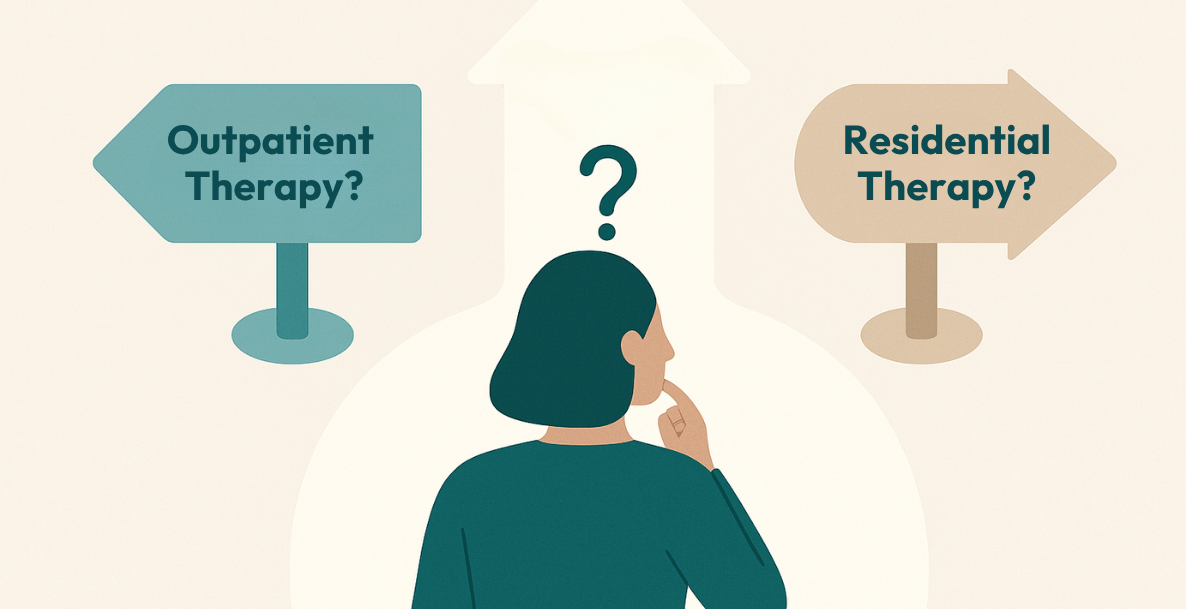
If you have a client or know of someone struggling with anxiety and perfectionism, reach out to us at Khiron Clinics. We believe that we can improve therapeutic outcomes and avoid misdiagnosis by providing an effective residential program and outpatient therapies addressing underlying psychological trauma. Allow us to help you find the path to realistic, long-lasting recovery. For more information, call us today. UK: 020 3811 2575 (24 hours). USA: (866) 801 6184 (24 hours).
Frequently Asked Questions
Is procrastination a part of anxiety?
Not always, but the two are closely linked. Procrastination is not a diagnosis on its own. When it shows up alongside anxiety, the two tend to feed each other, with anxiety triggering avoidance and avoidance making the anxiety worse over time.
How to rewire your brain to stop procrastinating?
The brain learns through repetition, so smaller successful starts can gradually change the pattern. Breaking tasks into short, manageable steps, pairing them with a brief calming practice, and noticing what helps you begin all give the system new evidence that the task is survivable.
How does fear contribute to procrastination?
Fear shifts attention away from the task and onto the imagined consequences of doing it badly. Avoiding the task briefly lowers the discomfort, which the brain then reads as a reward. The task gets harder to start the next time, and the cycle deepens.
Can procrastination and anxiety affect decision-making over time?
Yes. When the system is chronically overloaded, even small decisions can feel difficult. Anxiety narrows attention onto what might go wrong, while ongoing procrastination eats into mental energy. Both can leave a person stuck in indecision or defaulting to whichever option feels easiest in the moment.
Is there a connection between ADHD and chronic procrastination?
Yes. ADHD affects the executive functions that handle planning, prioritising, and getting started, which is why chronic procrastination is common in people with ADHD. The mechanism is different from anxiety-driven procrastination, so it usually responds best to ADHD-informed support rather than time-management advice alone.
When should someone consider seeking treatment for anxiety-related procrastination?
When the pattern is interfering with work, health, or relationships and self-help approaches have not held. Treatment also makes sense when the avoidance is driven by something deeper, such as perfectionism, fear of failure, or unresolved trauma sitting underneath the surface symptoms.
Sources:
[1] Sirois, Fuschia M. et al. “Self-Compassion And Bedtime Procrastination: An Emotion Regulation Perspective”. Mindfulness, vol 10, no. 3, 2018, pp. 434-445. Springer Science And Business Media LLC, https://doi.org/10.1007/s12671-018-0983-3. Accessed 25 Feb 2022.
[2] Li, Xiaoyu et al. “Do Procrastinators Get Worse Sleep? Cross-Sectional Study Of US Adolescents And Young Adults”. SSM – Population Health, vol 10, 2020, p. 100518. Elsevier BV, https://doi.org/10.1016/j.ssmph.2019.100518. Accessed 25 Feb 2022.